Join us Dec. 1-3 in Nashville for the Digiday Programmatic Marketing Summit
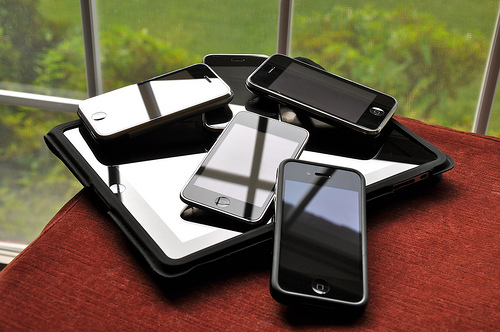
More often than not, the digital media industry lumps tablets in with smartphones in the “mobile device” category, thanks largely to similarities in their form factors and operating systems. But according to Adobe, online retailers that do so are missing the chance to fully capitalize on the favorable audiences tablet devices provide.
Based on data collected from 150 U.S. retailer sites and 16 billion visits, Adobe found that tablet visitors spent, on average, 54 percent more than smartphone visitors, and 21 percent more per purchase than desktop and laptop users. Tablet users were also nearly three times more likely to buy products or services than their smartphone-wielding counterparts, the research found, but slightly less likely to purchase than those on laptops and desktops.
“Mobile is top of mind for many retailers, but when they’re evaluating their strategies they need to understand where in the mobile ecosystem to spend money,” said John Mellor, vp of business development for Adobe’s digital marketing business. “It’s absolutely a different-enough form factor that it’s driving different behaviors. In terms of purchasing, tablets are ruling the day at the moment,”
Tablet audiences are, of course, still far smaller than those of smartphones – Adobe’s data suggests around 4 percent of retail website visits — but that gap is closing as the price of the devices fall.
As wider demographic groups beyond just early adopters and high earners begin to embrace them, spending patterns may start to normalize. Mellor acknowledged that figures such as average order value would probably start to decline as tablets become more widespread, but maintained that the nature of the devices will probably always make them more lucrative for retailers than smartphones.
“Tablets offer a distinct experience from smartphones. We believe user behavior will continue to be different, too. For example, Smartphones are probably more likely to be used for functions such as checking prices and other in-store behaviors than tablets, added Austin Bankhead, Adobe’s director of industry marketing for its digital marketing-related products.
So while behaviors around tablet and smartphone devices continue to change, one thing’s for sure, at least. For the short term, tablet users will remain happier to dip into their pockets than smartphone ones.


More in Media

Creators say it’s difficult to make money from news — with platform rules and brand guidelines
With more people getting news from creators than traditional media, those creators are still trying to build sustainable businesses.

Why CNN International is building for agentic ad market that barely exists yet
CNN International is still chasing its first agent-sold dollar by Q1.

Media Briefing: The transatlantic push to rein in stealth bots is gathering pace
U.S. and U.K. publishers are pushing for laws to crack down on stealth AI crawlers as bot scraping surges and demands for transparency grow.