Join us Dec. 1-3 in Nashville for the Digiday Programmatic Marketing Summit
Outside of “Serial,” most podcasts have a marketing problem. NPR tried to solve that for the second season of its hit podcast “Invisibilia” with a marketing blitz that ranged from offline activities to tactics that goosed social sharing.
“Invisibilia,” a popular show that uses human stories to explore mysteries of the brain, got 50 million downloads in its first season last year. The podcast kicked off its second season last month. With just seven episodes, which ran through last week, NPR didn’t have much time to reacquaint its audience with the program.
“‘Invisibilia’ is kind of like our ‘Game of Thrones’,” said Mathilde Piard, programming operations and project manager at NPR. “The challenge is, we only have seven episodes, so we have to come out of the gate full speed.”
To drum up excitement for the second season, NPR threw 200-plus listening parties in 32 states and three countries. Hosted by NPR member stations and fans, the parties are like book clubs but for radio. NPR provided a listening party kit, with suggested discussion questions and tips for hosting a good party (provide pillows and blankets and light snacks).
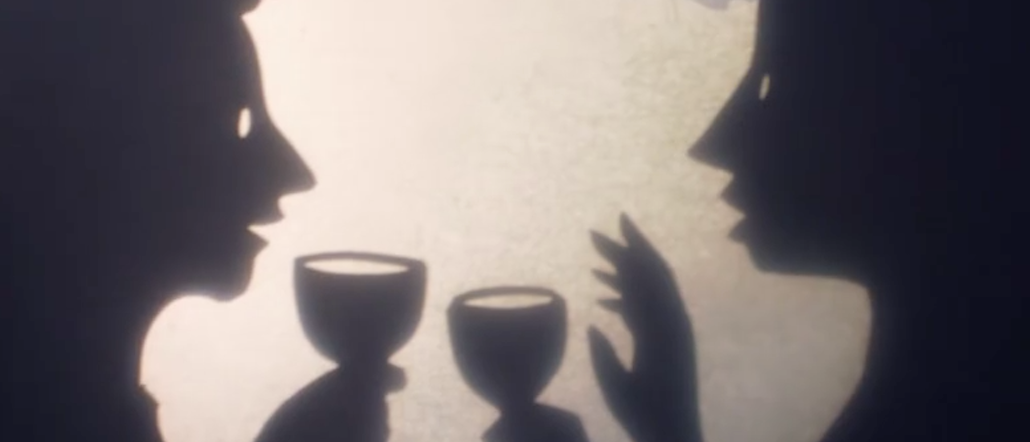
NPR typically has a launch party for a new product, but it wanted to do something bigger, so it launched a variety show-style video on Facebook Live, featuring the hosts previewing season two and an animation that brought one of the episodes to life.
Sharing on social media is hard to do with podcasts. So NPR created different types of content from the episodes that could be shared on social media and on NPR.org, from artwork and videos to short, text-based articles. One of the videos has gotten more than 700,000 views on Facebook, making it one of NPR’s most popular this year.
It’s hard to have a direct relationship with podcast listeners, so NPR created a newsletter to promote the podcast. It ran for four weeks leading up to the season launch and during the season itself and alerted people to bonus content on NPR’s app, NPR One; and pointed them to coloring pages that were created for each episode and meant for doodling during listening. (The newsletter got 8,000 subscribers, which isn’t huge, but with a 57 percent unique open rate, high compared to the industry average of 22 percent for media/publishing newsletters, per MailChimp.)
So far, “Invisibilia” has reached 10 million downloads, which is tracking below last season, which ultimately tallied 50 million downloads. (Direct comparisons on download figures are difficult, according to Piard, because NPR changed how it counts them to take out duplicates.)
“The stakes were high and we wanted to make sure people listened, but we also wanted to make sure ‘Invisibilia’ wasn’t just a black hole in terms of time and resources,” Piard said.
Image: NPR via Facebook.


More in Media
Creators say it’s difficult to make money from news — with platform rules and brand guidelines
With more people getting news from creators than traditional media, those creators are still trying to build sustainable businesses.
Why CNN International is building for agentic ad market that barely exists yet
CNN International is still chasing its first agent-sold dollar by Q1.
Media Briefing: The transatlantic push to rein in stealth bots is gathering pace
U.S. and U.K. publishers are pushing for laws to crack down on stealth AI crawlers as bot scraping surges and demands for transparency grow.