Join us Oct. 26-28 in Newport Beach for the Digiday Media Buying Summit
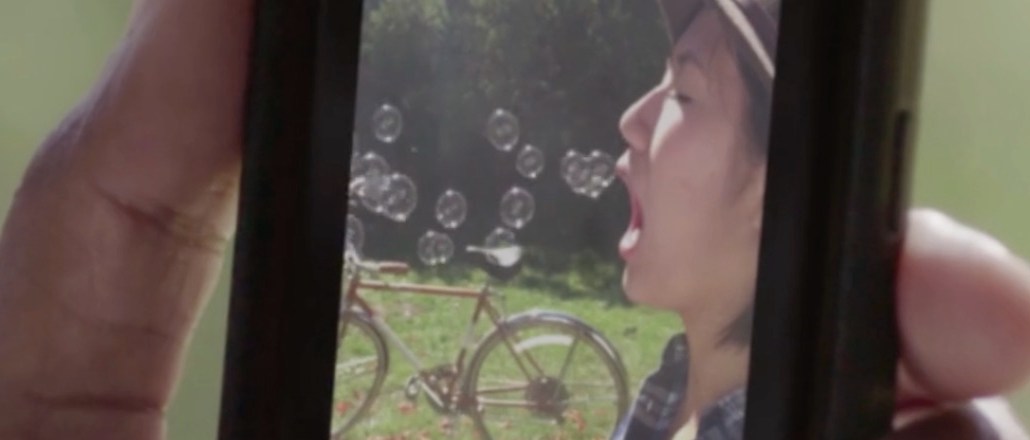
If Vines are too much of a time-suck, than Instagram has the solution with Boomerang.
It’s a separate app from Instagram that stitches together five burst photos and plays them back in a 1-second video, causing a “boomerang” effect. In a blog post, Instagram clarifies that it’s “not a gif,” even though it closely resembles one. The app contains Instagram’s signature filters, too.
The Boomerangs, if you will, can be shared on users’ Instagram or Facebook feeds because the app’s only purpose is to make the clips, not to be a hub for them. Instagram is marketing the app as a way to “turn everyday moments into something fun and unexpected.”
Boomerang is Instagram’s third spin-off app, joining Hyperlapse and photo editing app Layout. Instagram’s multi-app strategy echoes that as its parent company, Facebook, which has a whole suite of separate apps like Messenger and celebrity-angled Mentions.
Instagram’s multi-app strategy, which has been successful for Facebook, is based on the belief that core users want to keep Instagram a barebones photo sharing app without all these bells and whistles. “The (undeclared) theory is the more screen space, the more time spent and the more money advertisers will spend reaching users,” reports the Financial Times.
Since Boomerang clips are only a second long, perhaps there’s a future in nanosecond pre-roll ads.


More in Media
Ad industry tallies early losses from Apple’s Safari tracking block
A week after Apple’s Safari block, the ad industry is still waiting for the other shoe to drop.

Welcome to Creator University: Inside the colleges building creator economy programs
As more young folks seek to enter the creator economy, universities are offering classes covering every layer of the still-growing ecosystem.

For some publishers, agentic advertising is still a question of ROI
Despite the hype around agentic media buying, some publishers remain skeptical of its potential to deliver meaningful revenue.