Secure your place at the Digiday Media Buying Summit in Nashville, March 2-4
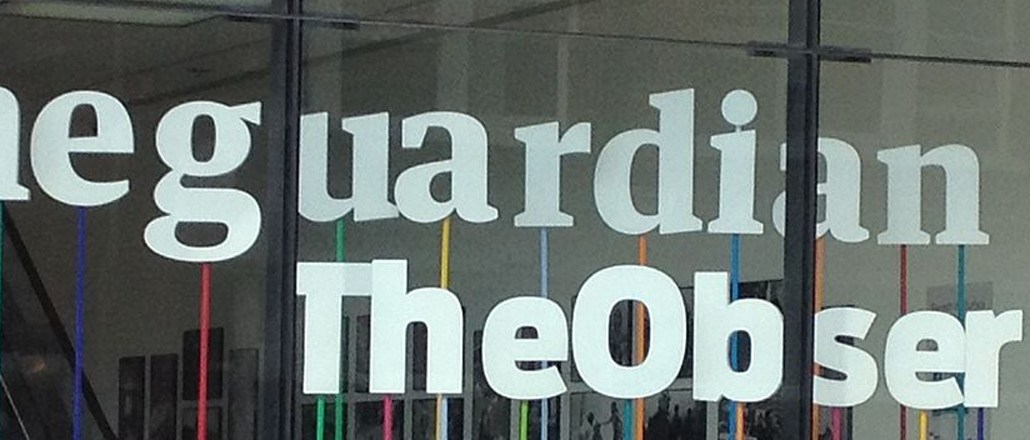
The Guardian is likely to join the throng of publishers testing tougher approaches to ad blocking. The publisher, which to date has opted for the more polite tack of asking ad blocker users to switch them off, is poised to try a more aggressive defence.
“We’re likely to be tougher in our messaging,” said Guardian News and Media commercial director Nick Hewat. “We will run some tests with various forms of messaging, including tougher ones, in the not too distant future.”
The Guardian was one of the first in the U.K. to address ad blocking, displaying a message to readers that politely informed them that ads fund its journalism. The publisher also steered ad blocker users toward its membership page. It hasn’t blocked people from viewing the content yet, like other newspapers such as Axel Springer’s Bild and City AM.
But Hewat’s comments this week could signal a possible change: Speaking at the Digiday Publishing Summit in Bologna, Hewat wouldn’t comment on whether it plans to deploy an outright ban, but alluded to the New York Times’ announcement this week — that it’s experimenting with a mix of different messages — as a direction it would consider.
The New York Times will test its approach on a relatively small sample of ad blocker users, and run a pop-up message saying: “The best things in life aren’t free. You currently have an ad blocker installed. Advertising helps us fund our journalism.” The message then points readers to two options: purchasing a subscription option, which doesn’t strip the site of ads, or to whitelist the Times, which disables the ad blocker.
Last November the Guardian said it was mulling alternative options — including creating new, customized formats — having found that the effectiveness of that initial message had waned.
The number of adults in the U.K. blocking ads has risen to 22 percent (one in five people) since last October, when it was at 18 percent, according to the IAB’s latest figures. But the same report also showed that a high propensity of ad blocker users were content to switch off their blocker, once they were sent a message informing them of the harm it causes publishers.
Unsurprisingly, the highest level of ad blocking is among the 18 to 24 year-old age groups, but 73 percent of them said they’d switch off ad-blocking software if it was the only way to access content.


More in Media
From feeds to streets: How mega influencer Haley Baylee is diversifying beyond platform algorithms
Kalil is partnering with LinkNYC to take her social media content into the real world and the streets of NYC.

‘A brand trip’: How the creator economy showed up at this year’s Super Bowl
Super Bowl 2026 had more on-the-ground brand activations and creator participation than ever, showcasing how it’s become a massive IRL moment for the creator economy.

Media Briefing: Turning scraped content into paid assets — Amazon and Microsoft build AI marketplaces
Amazon plans an AI content marketplace to join Microsoft’s efforts and pay publishers — but it relies on AI com stop scraping for free.