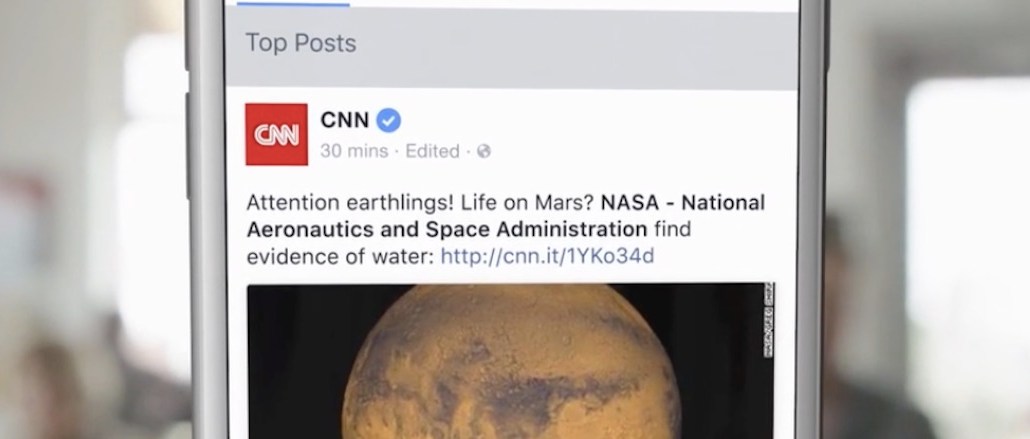
Facebook has officially made it impossible to hide from it.
Starting today, its search bar is now capable of retrieving every public post ever made — that’s 2 trillion of them. It’s a major step in making Facebook’s search tool relevant when finding breaking news and trending topics, two areas dominated by Google and Twitter.
Previously, searching on Facebook would return Pages a user liked or friended. Now it will return basically everything, but displayed in a more organized manner.
For example, searching “Benghazi Committee” pulls up results from people “Involved in This Story” (in this instance, a post from Sen. Harry Reid); “Top Posts” from publishers that I both follow and don’t; and posts from friends. Lastly, there’s a “Public Posts” section that retrieves the “most recent and relevant” messages.
Here’s what it looks like in action:
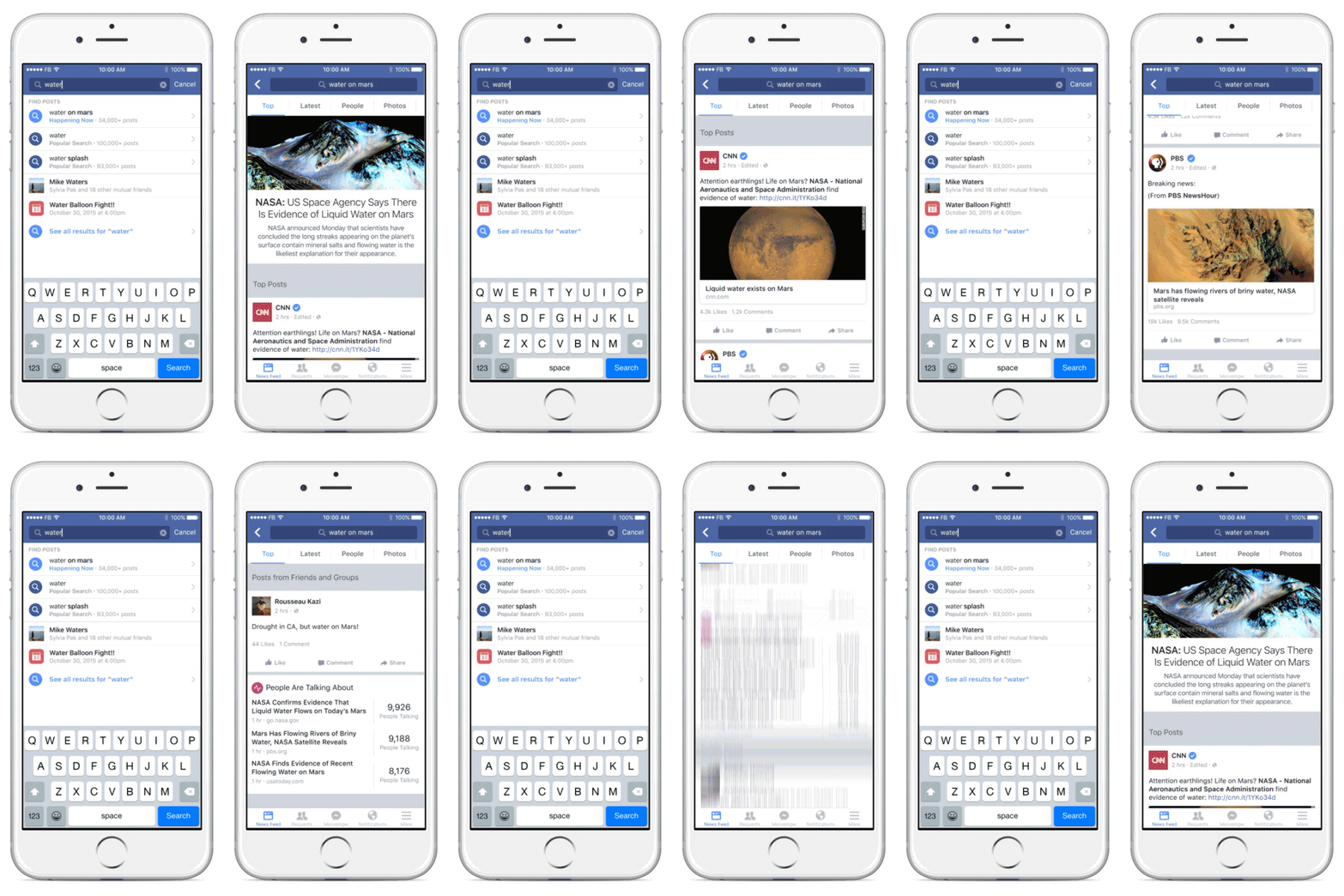
Facebook users make 1.5 billion searches each days, it says in a blog post, the aim is to make people aware of its capabilities. The social network has an image problem when it comes to search since people don’t turn to it first when it comes to breaking news, and it was difficult to sort through the myriad of results.
Perhaps this will change that perception.
Images via Facebook.


More in Media

In Graphic Detail: The scale of the challenge facing publishers, politicians eager to damage Google’s adland dominance
Last year was a blowout ad revenue year for Google, despite challenges from several quarters.

Why Walmart is basically a tech company now
The retail giant joined the Nasdaq exchange, also home to technology companies like Amazon, in December.

The Athletic invests in live blogs, video to insulate sports coverage from AI scraping
As the Super Bowl and Winter Olympics collide, The Athletic is leaning into live blogs and video to keeps fans locked in, and AI bots at bay.