Join us Sept. 14-16 in Miami to connect with top publishing leaders
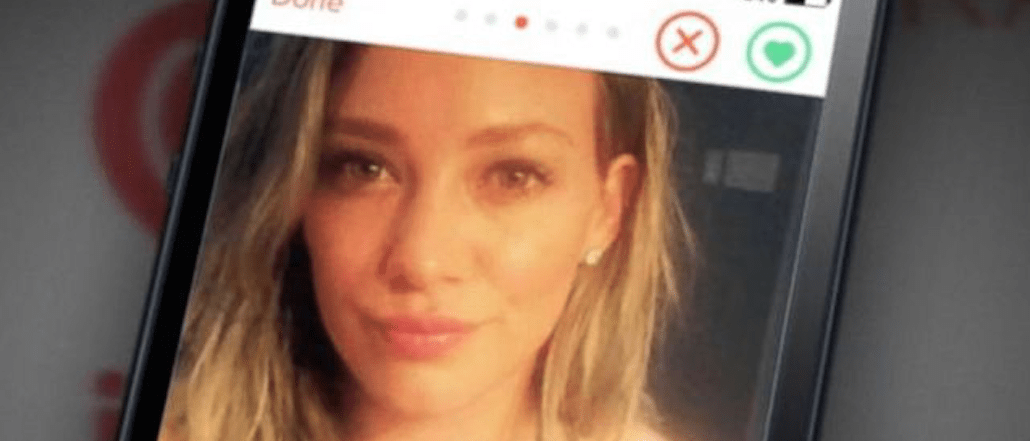
Sorry, fakers: Tinder is adding verified accounts. The dating app announced today it’s vetting accounts created by “notable public figures,” like celebrities and athletes, so users will know if they’re actually flirting with the real deal.
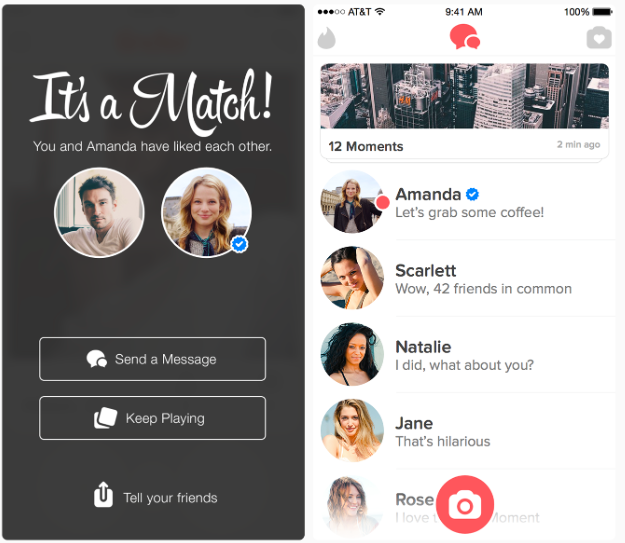
Verified Accounts will have a blue checkmark in their profile, similar to the ones seen on Twitter and Facebook. This is how it will look:
The addition comes at a time when celebrities are openly talking about being on the booming dating app. For example, Bravo host Andy Cohen, singer/actress Hilary Duff and even Lindsay Lohan have all publicly said they’re active Tinder users. Last year, Mindy Kaling’s character on “The Mindy Project” also pretended to have a Tinder profile as part of a splashy campaign for her television show.
A spokeswoman for Tinder told Digiday that accounts will be verified on a “case-by-case basis,” with a “limited number” of accounts to be initially approved. “At this time, only celebrities and otherwise notable public figures will be considered,” the spokeswoman said over email.
Tinder also said it matches 26 million people a day, an increase of four million people since March.


More in Media
Media Briefing: Publishers are rebuilding their newsrooms for the post-Google era
Publishers like USA Today Co. and NYT are reshaping audience teams and creating new roles to prepare for an AI search future.
How 11 retail media networks are trying to differentiate themselves to advertisers
With the launch of myriad retail media networks, these new divisions of various consumer-facing companies are now fighting for ad dollars.

WTF is a ghost creator?
Some companies are hiring creators not for their audience, but as a mouthpiece for a very specific brief. Think execution, not creativity. This is the ghost creator.