
The once unthinkable — the elimination of the cookie as the organizing technology of online advertising — is now freely suggested. The cookie, a piece of technology nearly two decades old, is now under threat from lawmakers, browser manufacturers and even behemoths like Microsoft.
Here are 15 stats about the cookie that should concern anyone banking on it continuing to play such a prominent role in online advertising.
Three in 10 users delete their cookies every month. (Comscore)
Cookie deleters do so on average four times per month. (Comscore)
Dictionary.com in 2010 was found to drop 223 cookies on visitor’s browsers. (Wall Street Journal)
60 percent of survey respondents said they would want a Do Not Track law to prevent websites from collecting information about them. (Berkeley privacy study)
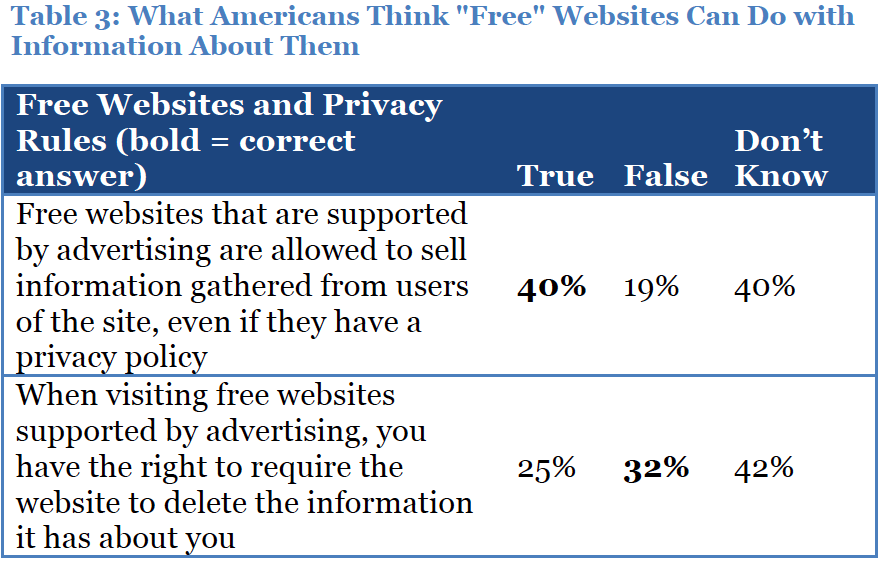
40 percent said they believe ad-supported websites can sell information about them. (Berkeley privacy study)
There have been 200 million downloads of Ad Block Plus. (Mozilla)
There have been 42 million downloads of Ad Block Plus in the past year. (Mozilla)
There are 15.8 million daily active users of Ad Block Plus (Mozilla)
89 percent of UK consumers thought the EU cookie law is a positive step. (Econsultancy)
23 percent of UK consumers would opt-in for websites to use cookies. (Econsultancy)
Evidon’s Ghostery software tracked 283 unique advertising tracking technologies, which includes cookies, in the first quarter of this year. (Evidon Global Tracker Report)
Over 60 percent of home computers are shared, which means shared cookies. (Comscore)
The average campaign frequency is 5.8 but the median is 2.0, which calls into question the effectiveness of cookie-based frequency caps. (Comscore)


.png)

More in Media

In Graphic Detail: The scale of the challenge facing publishers, politicians eager to damage Google’s adland dominance
Last year was a blowout ad revenue year for Google, despite challenges from several quarters.

Why Walmart is basically a tech company now
The retail giant joined the Nasdaq exchange, also home to technology companies like Amazon, in December.

The Athletic invests in live blogs, video to insulate sports coverage from AI scraping
As the Super Bowl and Winter Olympics collide, The Athletic is leaning into live blogs and video to keeps fans locked in, and AI bots at bay.