Join us Dec. 1-3 in Nashville for the Digiday Programmatic Marketing Summit
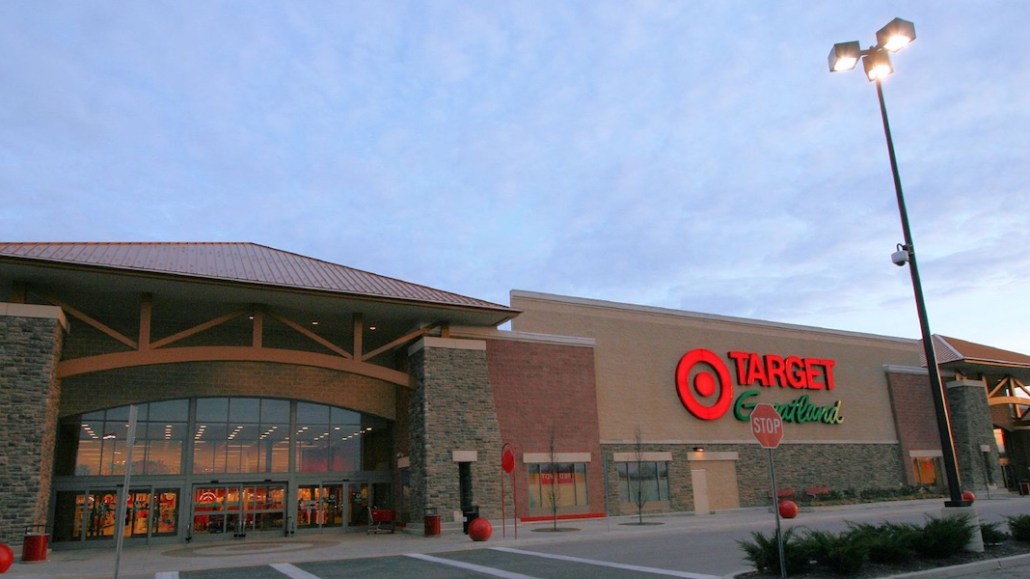
As mobile payments struggle to reach widespread adoption, big-box retailer Target is jumping into the mobile payments market with its own digital wallet, hoping to tie in loyal store-branded card customers.
This week, Target launched Wallet, a bar code-based digital wallet that when enabled, lives within the Target app. It’s only open to Target REDcard credit and debit card customers, who already get a 5 percent discount on purchases. By integrating a digital version of the Target card into the app, it can apply offers and coupons at the point of sale — sweetening the offer for discount-hungry shoppers. Restricting the mobile payment feature to Target cards may seem backwards at the outset, especially given that Walmart offers a similar service compatible with any kind of card. But analysts say it serves important business objectives, which include driving up adoption of store-branded cards and creating a better customer experience by merging loyalty and payments into one place.
Read the full story on tearsheet.co


More in Marketing
AI boosts discovery but reviews still seal the deal, new research shows
ChatGPT is where 16% of shoppers start looking for products. However, only 9% go there to actually buy something.

Future of Marketing Briefing: Advertisers have more ways than ever to choose a holdco, and free holdcos to choose from
Fewer holdcos, more ways to pick one: inside the changing agency pitch.
Walmart Connect pitches brands directly as it pushes lift studies ahead of holiday ad deals
Walmart Connect is using lift studies to prove ad performance directly to brands ahead of the holidays, signaling a tighter race with Amazon.