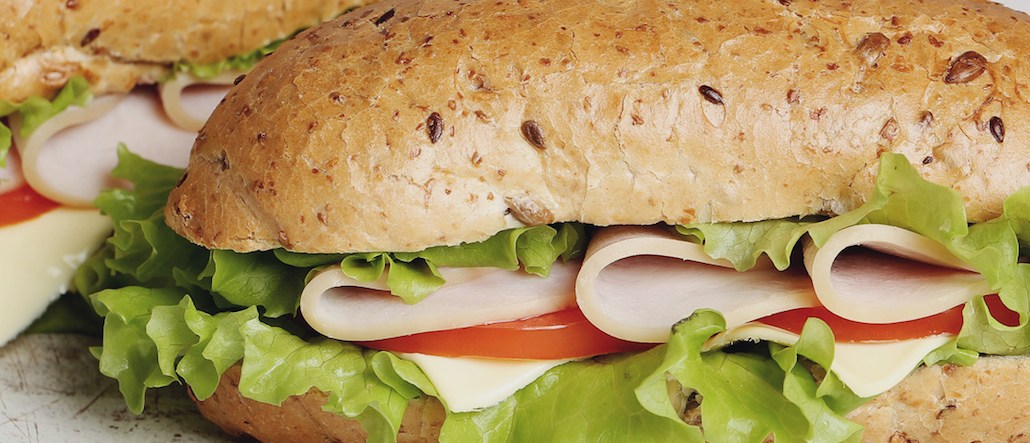
Subway is the latest fast-food chain that wants to become more like a tech company.
The company is assembling a digital team of 150 full-time employees over the next two years, with some coming from consulting company Accenture. The sandwich chain will still use agencies to produce content, while the 150-person team will focus on technology development, loyalty programs, digital strategy and consumer behavior.
“We are taking a good look at what ‘loyalty’ means for consumers and how to integrate digital experience into restaurant experience,” said Carman Wenkoff, chief information officer and chief digital officer for Subway.
Wenkoff didn’t have details about what Subway’s digital marketing plan will include but said it will focus on customers’ experience, especially on mobile and loyalty programs.
For example, a customer’s experience might not necessarily start at a Subway restaurant; it may start with seeing an online ad for Subway. “If the guest experience starts there, it has to be hyper-convenient, personalized and consistent, regardless of the digital channel,” said Wenkoff.
The digital push comes as Subway’s market share and sales are slipping. It still has 49.3 percent of the U.S. sandwich sales share, but that share has dropped 5.1 percent since 2010, according to research company Technomic’s Top 500 Restaurant Chains Report. Year-over-year sales in the U.S. declined 3.4 percent to $11.5 billion last year, according to Technomic, faster than the industry. (U.S. quick-service restaurant sales growth declined 0.7 percent from 2014 to 2015, per Technomic.)
Despite the scandal around its long-time spokesman Jared Fogle, Subway’s consumer perception has remained high, according to YouGov BrandIndex’s U.S. Top Ten Buzz Rankings. Darren Tristano, president of Technomic, said sales were hurt by higher sandwich prices, the discontinuation of Subway’s $5 Footlong and increased competition from other sandwich chains like Jersey Mike’s.
Subway released a mobile app last year that is integrated with Android Pay, Apple Pay and PayPal. But it has to keep pace with rival chains like Domino’s Pizza, which has started tracking its consumers’ eating and spending habits in 2015 and made it possible to place orders via online, phone, watch, TV and even voice (via its virtual assistant “Dom”).
Subway also will have to compete with technology companies and financial institutions for talent, and engineers and data analysts might not naturally think of the company as a place to further their careers. Wenkoff didn’t say if Subway would try to compete with tech startup-like benefits like unlimited paid vacation days. But he said in Subway’s favor, working there is more interesting than the average technology company, where people focus on just one or two products.
“Here, you can work on one of everything, like franchisee development solutions and customer-facing projects across 112 countries,” he said. “Our job right now is maybe promoting that a little bit more.”


More in Marketing
From influencers to AI, here’s what Gen Alpha thinks about your brand
The Gen Alpha cohort now influences nearly half of total U.S. household spending in families with children ages 8-14.

At S4 Capital’s Monks, agents can run autonomously, unsupervised for days
S4 Capital’s digital agency now budgets for tokens and talent from the same pot.
Dhar Mann’s $100M AWNY deal target for creators is already pledged (so he says)
The goal with Dhar Mann as AWNY’s chief creator officer is to make it easier to make connections that are often held up by corporate red tape and too many layers between creator and CMO.