Join us Oct. 26-28 in Newport Beach for the Digiday Media Buying Summit
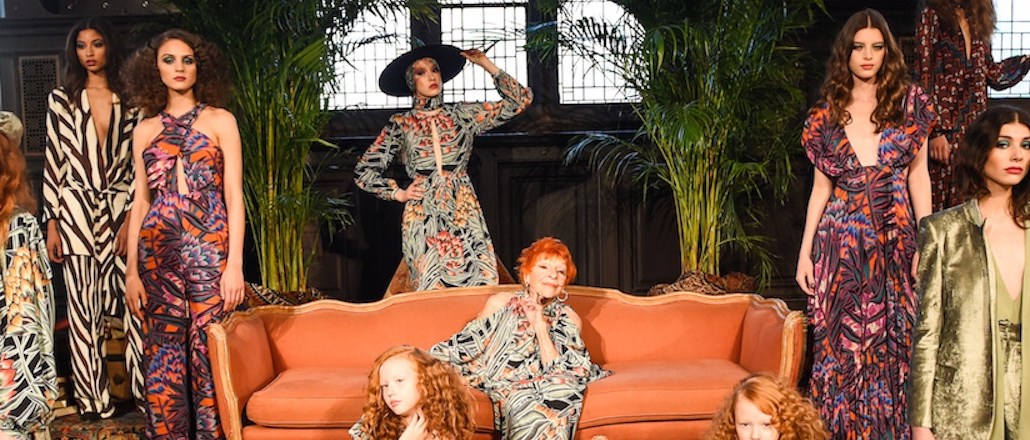
The name “pre-fall” doesn’t accurately describe the current fashion season that began at the end of November and lasts throughout January. It’s really a non-season season: Designers put out collections featuring a mix of warm and cold weather wears, items that can sit on department store floors and in online retailer lineups for a few months without being marked down by discounts. The collections are money makers, too, padding out the spring collections with core wardrobe items that customers often flock to.
While still a commercially viable season, pre-fall is facing changes along with every season in the fashion calendar. And the nature of the far-flung show season — it’s geographically diverse, with looser time restrictions over nearly two months — has made it a blank slate for brands to experiment with how, and where, they debut new items.
To read the rest of this story, please visit Glossy.


More in Marketing

Ikea’s CMO sees LLMs as the newest place a brand has to hold its line
LLMs have widened the brand. Ikea’s CMO thinks the basics still hold.
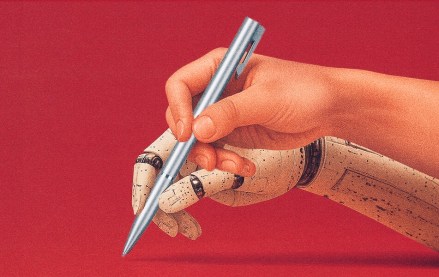
How many people does it take to run an agency? According to Bad Mktg, just two if you’re using AI
BaD Mktg is just two employees and a lot of AI to run the business and ideate. The secret to its success? The experience of the people leading the ideation.
‘Mission and capital can coexist’: Golden State Valkyries’ Jess Smith on pitch to sponsors
The WNBA’s newest team must navigate measurement demands and marketers wanting to share in the ‘mission’ if it’s to establish a commercial foothold.