Join us Dec. 1-3 in Nashville for the Digiday Programmatic Marketing Summit
People think Burger King’s packaging for its jalapeño chicken fries are racist
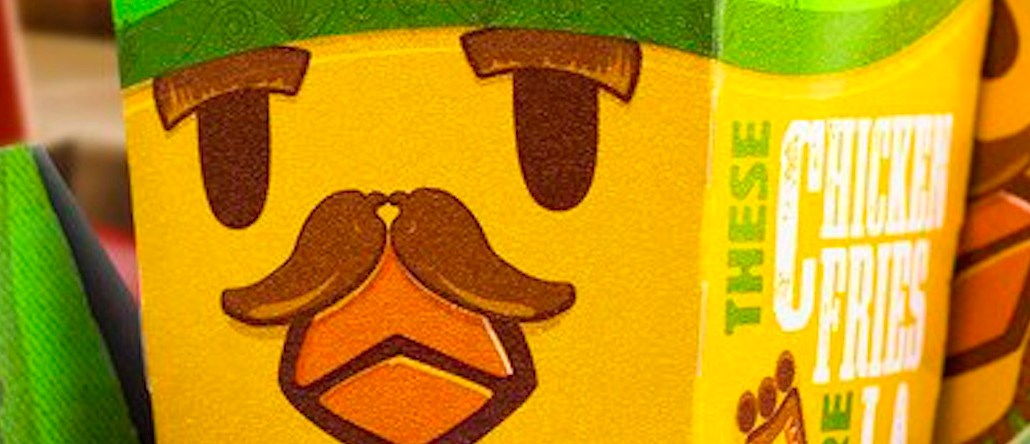
Burger King’s new Jalapeño Chicken Fries are feeling the heat online over its packaging.
Last week, the chain rolled out an even spicier version of the Internet’s beloved snacks with jalapeño seasoning mixed into the breading. Burger King is selling the chicken sticks in packaging that some are blasting as racist because it relies on Mexican stereotypes, like the sombrero and mustache.
Introducing Jalapeño Chicken Fries. They’re Jalap-in yo’ face with flavor. pic.twitter.com/pvesQg7v7Q
— Burger King (@BurgerKing) January 28, 2016
Well, some of Burger King’s Twitter followers think the mascot is racist.
Is it just me or does @BurgerKing jalapeño chicken fries mascot seem slightly racist? #MariachiTheFlavor pic.twitter.com/7ZLYIFEpzL — Jared Wheeler (@Jared_Wheeler) January 30, 2016
Am I the only one who has a problem with the design on the box? #jalapenofries #burgerking @BurgerKing #racist pic.twitter.com/twAO2BTF2R
— notsvsuiowa (@notsvsuiowa) February 2, 2016
@BurgerKing this is just plain racist because it’s jalapeño the bird now has a mustache and a mariachi guitar? pssh pic.twitter.com/mkjoXLnOF6 — Jared (@jared_ocana) January 31, 2016
Since the initial tweet, Burger King doesn’t appear to be deterred by the comments, tweeting another picture of the packaging yesterday.
NEW Jalapeño Chicken Fries are our zest flavor yet. pic.twitter.com/Q72myzBnYT
— Burger King (@BurgerKing) February 2, 2016
Burger King didn’t return a request for comment.


More in Marketing
In Graphic Detail: What Apple’s identity block means for the ad money
How Apple’s identity block hits publishers’ wallets, and why Apple can afford it.
Anthropic’s ad bill is soaring, according to IPO filing
Anthropic’s IPO filing shows an ad-free AI company with a fast-growing ad bill.
Salesforce’s $5.7 billion Braze deal puts marketers at an ecosystem crossroads
The deal promises faster, more connected marketing, while raising questions about vendor lock-in and how brands stand out as AI automates campaign execution.