Join us Dec. 1-3 in Nashville for the Digiday Programmatic Marketing Summit
‘Not hiring’ entry-level talent: Industry acknowledges runaway crisis brought on by introducing AI to the workforce
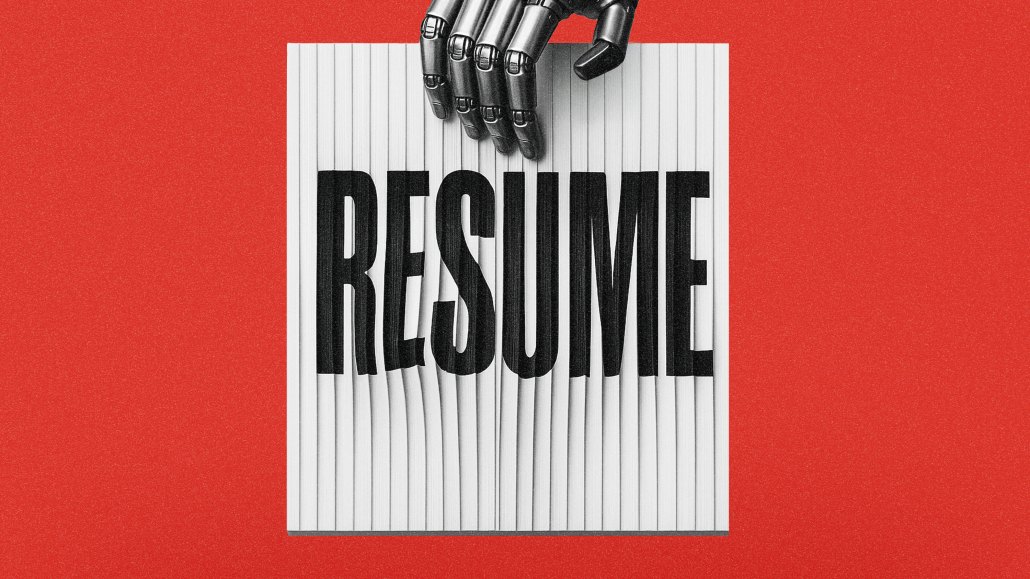

As many inconsistencies exist across adland that AI has introduced, executives seem to agree that the pace of AI adoption has created a talent crisis.
This moment is one that requires new internal training programs for current employees — and, as some employers admitted at Digiday Media’s AI Marketing Strategies event hosted on Sept. 24, actively discourages hiring entry-level talent.
These sentiments, shared in a town hall at the event under Chatham House Rules (which guarantees anonymity), come as job seekers across industries are wary that AI will replace them outright. According to a Pew Research survey, people aged 18-34 in many countries are more worried about AI-related job loss than older adults.
Perhaps they have reason to worry, based on the comments at the town hall.
“We haven’t hired college-level grads in some time, and I don’t anticipate that we will be,” was the candid admission of one participant, the owner of a small-to-mid-sized performance marketing agency. This remark came even as that exec conceded that their company used to exclusively hire entry-level talent, most of whom went on to become some of the company’s best employees.
“It’s not like I don’t like college grads. I do… it’s just a business issue,” the exec said, noting how AI is filling the gaps for many entry-level tasks that green talent used to oversee.
Nurturing talent
A separate participant observed that cutting graduate hiring is short-sighted because agencies will lack expertise once senior staff retire. They said the fix is to redesign junior roles, not eliminate them.
“It seems like a learning and development challenge, not a technology challenge,” said the attendee.
Elsewhere in the debate, execs acknowledged that companies have a responsibility to foster young talent — whether through a formal mentorship program, AI training courses, or internships with “livable wages.”
“The nature of work has to change, and I think as leaders, we have to be part of finding that right talent,” another exec said.
And how to teach current employees, with a range of historical context, about how to use emerging technology? “Meet them where they’re at,” an exec said.
Create mentorship opportunities, said another. “The older talent is going to have a lot of historical knowledge about like just how the sauce gets made. And the younger talent is going to have a little bit more familiarity with emerging technologies. I think where we’ve seen success in our organization bridging those two groups together is by getting them to talk to one another,” they said.
When asked how to train staff on AI, one exec described three steps: inspire people with quick wins, be clear about the pace of change, and add formal training. They framed this line as the “carrot and stick” message to employees.
“AI isn’t coming to replace your job,” said one participant, who also struck an upbeat, if cautionary tone. “Someone who knows AI and has your experience is coming to replace your job.”


More in Marketing

Ruggable’s new ad spend strategy shifts focus to ShopMy creators
Ruggable is shaking up its marketing stack, pulling dollars our of Meta and into ShopMy creators ahead of a potential IPO.

Future of Marketing Briefing: The holdcos long, awkward courtship of the C-suite
What holdcos risk when they go over the CMO’s head.

Brands turn to content series and Jimi Hendrix to improve AI search performance
Guitar brand Fender and amp-maker Marshall both recently launched content series aimed, in part, at improving their visibility in AI search answers. It’s part of a greater pattern.