Join us Dec. 1-3 in Nashville for the Digiday Programmatic Marketing Summit
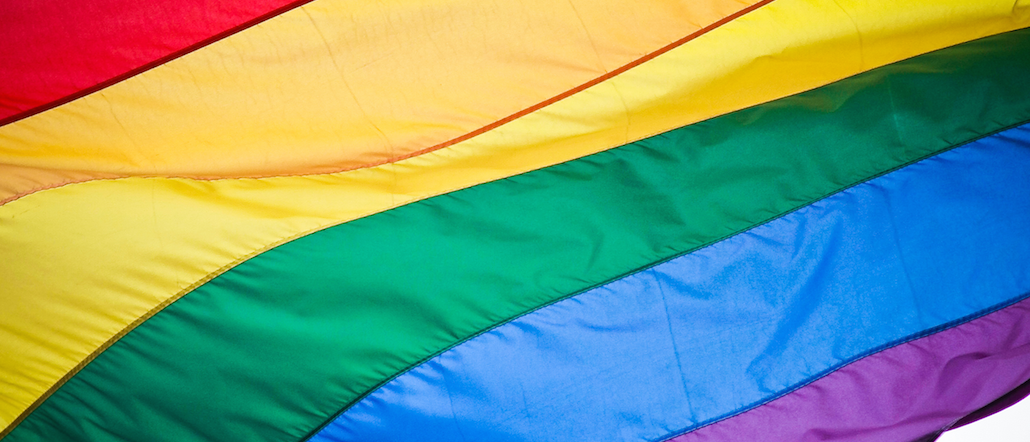
#LoveWins.
That’s the overwhelming message that is spreading through social media moments after the Supreme Court legalized same-sex marriage across America.
And brands, being people too, celebrated the news on social media — especially on Twitter where they posted pictures of their logos draped in the rainbow flag. Normally, jumping in on social issues is not for the faint of heart, but even companies that tend to stay out of political conversations are feeling emboldened — and proud — today.
The hashtag, #LoveWins, became the unofficial rallying call for supporters and was tweeted more than 2.8 million times (and growing) according to Topsy. Data from Brandwatch, a social media analytics firm, told Digiday that the hashtag garnered 4.5 billion impressions.
The response to the ruling has been overwhelmingly favorable with 17 times more positive tweets than negative tweets. Companies quickly attached themselves to this wave of happiness and sent out tweets that reflected positively on themselves and the news.
Also, 65 percent of the tweets about the topic were written by women, with, not surprisingly, the majority of all tweets (73 percent) coming from the United States.
Here’s how big brands reacted:
LOVE wins!!! #LoveIsLove #MarriageEquality pic.twitter.com/Myt9cwFB7d
— Ben & Jerry’s (@benandjerrys) June 26, 2015
We’re on board. Diversity strengthens us all & today we celebrate #MarriageEquality & the landmark #SCOTUS decision. pic.twitter.com/gqej2xMzIU — American Airlines (@AmericanAir) June 26, 2015
From this day forward… #loveislove pic.twitter.com/TrSHAl8mat
— Macy’s (@Macys) June 26, 2015
Here’s to having, holding and marrying who you love. #takepride #SCOTUSMarriage pic.twitter.com/8NLGee0Rl0 — Target (@Target) June 26, 2015
Starting today, love knows no borders. #All50 #LoveisLove #MarriageEquality #ThisIsWholesome pic.twitter.com/QQDqkJsvDr
— Honey Maid (@HoneyMaidSnacks) June 26, 2015
Love is in the air. #LetFreedomWing #SCOTUSMarriage #MarriageEquality pic.twitter.com/2JDRJnYFU7 — JetBlue Airways (@JetBlue) June 26, 2015
— BuzzFeed (@BuzzFeed) June 26, 2015
#LoveWins. pic.twitter.com/s5aiwIsFz8 — The White House (@WhiteHouse) June 26, 2015
Proud. pic.twitter.com/9J44PCYeuQ
— Hillary Clinton (@HillaryClinton) June 26, 2015
A force that comes into our life without any rules, expectations, or limitations. #Sense8 #LoveWins pic.twitter.com/UKkHThXL6y — Sense8 (@sense8) June 26, 2015
Be proud. #equality #SCOTUSMarriage pic.twitter.com/W0wC7rUjDT
— Game Of Thrones (@GameOfThrones) June 26, 2015
Here’s to finding the one who completes you. #SCOTUSMarriage pic.twitter.com/Ox1WB3WCL1
— The Maytag Man (@TheMaytagMan) June 26, 2015
— Visa (@Visa) June 26, 2015
Equality is always in style. We’ve been proud supporters since #1969. #LoveWins #Pride2015 #LetsDoMore pic.twitter.com/nnpQZ3tIEH
— Gap (@Gap) June 26, 2015
Wherever you’re celebrating, #RideWithPride. #LoveWins pic.twitter.com/CcmhPkPFXK
— Uber NYC (@Uber_NYC) June 26, 2015
J-E-L-L-O is for everyone. So is L-O-V-E. #DecisionDay #Pride pic.twitter.com/xw4pHTcodF
— JELL-O (@JELLO) June 26, 2015
As long as you are you, #ItsMillerTime. #LoveWins pic.twitter.com/k9gJNSZSAA
— Miller Lite (@MillerLite) June 26, 2015
Let’s toast to a day that will go down in history. #lovecantwait #gotyourback #SCOTUSMarriage pic.twitter.com/dRhxMXCe63
— Ketel One Vodka (@KetelOne) June 26, 2015
Get out there and love!!!! #All50 https://t.co/Q33rQa0gDz pic.twitter.com/zfx5qbs1Rt
— MTV (@MTV) June 26, 2015
The United States took a step in the right direction today. https://t.co/rcbVwtd8iM #ProudToLove pic.twitter.com/NvusiL6NWF
— YouTube (@YouTube) June 26, 2015
Life isn’t always diamonds and rosé….but today it is! #PridebyBravo pic.twitter.com/PP0ULHttXD
— Bravotv (@Bravotv) June 26, 2015
HISTORY! Supreme Court rules in favor of marriage equality: https://t.co/s8E9CmcG6K #All50 pic.twitter.com/4Bu754SF8Z
— Logo (@LogoTV) June 26, 2015
#LoveWins! We’re ready to hit play on your first dance https://t.co/p9pfHH7qRm pic.twitter.com/B9yhLxFsVq
— Spotify USA (@SpotifyUSA) June 26, 2015
Proud. #LoveWins pic.twitter.com/ADdXKlyhcb
— Starbucks Coffee (@Starbucks) June 26, 2015
Who wants to come to the wedding? #LoveWins #HostWithPride pic.twitter.com/CeGARgvHl7
— Airbnb (@Airbnb) June 26, 2015
— Major League Soccer (@MLS) June 26, 2015
Yes! #LoveWins pic.twitter.com/W83V9HWnK1
— Whole Foods Market (@WholeFoods) June 26, 2015
Finally! #LoveIsLove #LoveWins pic.twitter.com/DzAkBLLsJL
— Absolut (@absolutvodka) June 26, 2015
And now, no one can tell you otherwise. #LoveWins pic.twitter.com/769Rz8DO7C
— Cheerios (@cheerios) June 26, 2015
#LoveWins :) https://t.co/rhHHfnlMFZ pic.twitter.com/YIVkYof9K4
— UNIQLO (@UniqloUSA) June 26, 2015
“All things change and we change with them.” #LoveWins #SCOTUSMarriage pic.twitter.com/mI7O6F2UUL
— Caesars Palace (@CaesarsPalace) June 26, 2015
Today’s ruling is the last step to ensure all couples can walk the aisle. See you in #Vegas. #HereComesthePRIDE pic.twitter.com/vYyUZJ2dwf
— Vegas (@Vegas) June 26, 2015
#LoveWins and #Solemates can finally be together. #Pride pic.twitter.com/mWxCVZJfpQ
— Tide (@tide) June 26, 2015
Stay who you are. #LoveWins pic.twitter.com/2XZplHFNzi
— SNICKERS® (@SNICKERS) June 26, 2015
Happy Pride. #LoveWins pic.twitter.com/of8eRH0a6l
— Lyft (@lyft) June 26, 2015
The Beatles said it best: All you need is love. #LoveWins pic.twitter.com/UchabL9pg5
— Pandora (@pandora_radio) June 26, 2015
Life is more vibrant when #lovewins. Cheers to the road ahead. pic.twitter.com/KPNmx9uV8o
— Official smart USA (@smartcarusa) June 26, 2015
We’re raising ShackBurgers high to celebrate equality this Pride wknd! Props to @biggayicecream for our rainbow logo pic.twitter.com/NKyEl71FVR
— SHAKE SHACK (@shakeshack) June 26, 2015
#LoveWins pic.twitter.com/FRutTX6gGp
— Budweiser (@Budweiser) June 26, 2015
#lovewins pic.twitter.com/XoF3M5G1bJ
— Tumblr (@tumblr) June 26, 2015
“It is so ordered.” #LoveWins pic.twitter.com/Ww0ui1CR8L
— Columbia Sportswear (@Columbia1938) June 26, 2015
Love makes the world go round. #LoveMustWin #LoveThisLife pic.twitter.com/4Jssg5biCE
— Chobani (@Chobani) June 25, 2015
WE DEFINITELY do. #SCOTUS #inahyattworld pic.twitter.com/SCuZb36fI7
— Hyatt Tweets (@HyattTweets) June 26, 2015
<3. #MarriageEquality https://t.co/uHrX5sRVe2
— Kimpton (@Kimpton) June 26, 2015
Proud to celebrate marriage equality and grateful on behalf of our diverse customers, partners & employees. #LoveWins pic.twitter.com/oisLWAXHKF
— Expedia (@Expedia) June 26, 2015
Love prevails. pic.twitter.com/6rGlrOBrbu
— Ace Hotel (@acehotel) June 26, 2015
#LoveIsLove pic.twitter.com/Hl9c3mYlX9
— AT&T (@ATT) June 26, 2015
Proudly raise your flag high today, because #LoveWins pic.twitter.com/COKo4cK48d
— T-Mobile (@TMobile) June 26, 2015
#LoveWins pic.twitter.com/Bdec6V3yrE
— Crate and Barrel (@CrateandBarrel) June 26, 2015
Happy #pride everyone! #lovewins pic.twitter.com/feG4HRsTU5
— Old Navy Official (@OldNavy) June 26, 2015
Homo Estas? Very well, thank you. #LoveWins pic.twitter.com/5tXeGHxR8l
— Chipotle (@ChipotleTweets) June 26, 2015
Best day to be the Rainbow EVER. #lovewins pic.twitter.com/lvRuZw7OzV
— Skittles (@Skittles) June 26, 2015
It’s time to celebrate. #LoveWins pic.twitter.com/te0tzjJdpP
— Chili’s Grill & Bar (@Chilis) June 26, 2015


More in Marketing
AI boosts discovery but reviews still seal the deal, new research shows
ChatGPT is where 16% of shoppers start looking for products. However, only 9% go there to actually buy something.
Future of Marketing Briefing: Advertisers have more ways than ever to choose a holdco, and free holdcos to choose from
Fewer holdcos, more ways to pick one: inside the changing agency pitch.
Walmart Connect pitches brands directly as it pushes lift studies ahead of holiday ad deals
Walmart Connect is using lift studies to prove ad performance directly to brands ahead of the holidays, signaling a tighter race with Amazon.