Join us Oct. 26-28 in Newport Beach for the Digiday Media Buying Summit

In case you didn’t know, today is THE APOCALYPSE! But, I guess if you are reading this now you know it didn’t happen. We are all still here, so yay or whatever?
Jell-O wanted to have fun with this whole ridiculous notion that the world was coming to an end on Dec. 21, 2012 according to the Mayan calendar with its “Funpocolypse” campaign. The idea behind the campaign is that offering the Mayan gods something more exciting than the traditional vegetable offerings would help save the world from coming to an end. That something more exciting is of course Jell-O pudding, because nothing inspires benevolence and peace from angry Mayan gods more than a good old cup of semi-solid dessert food.
The campaign involved having people share the fun things they’d like to do before Dec. 21 just in case Jell-O was unable to save the world by tweeting @JELLO with hashtag #funpocalypse. Each day of the campaign until yesterday, 12 winners who shared their bucket lists were selected randomly and given $100 to put towards havig fun before the end of the world.
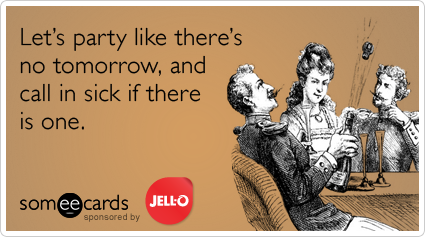
Jell-O also partnered with funny e-cards site Someecards to make special apocalypse-themed cards like these.
“The cards are an opportunity for brands to showcase their personality and offer consumers original content that speaks to their lifestyle and interests,” explained Someecard’s director of sales Kevin Johannesen.
The branded e-cards will run through Sat., with one final card that will be released to acknowledge that the world didn’t end.


More in Marketing
‘Mission and capital can coexist’: Golden State Valkyries’ Jess Smith on pitch to sponsors
The WNBA’s newest team must navigate measurement demands and marketers wanting to share in the ‘mission’ if it’s to establish a commercial foothold.

Future of Marketing Briefing: Why top creators are taking fewer brand deals
The biggest creators are cutting their brand rosters and asking more of the partners they keep.

‘There’s nothing wrong with being a heritage brand’: How Revlon is updating its image by looking to the past
Revlon named musician and actress Teyana Taylor and country music star Megan Moroney as the faces of its “Revlon Be Unforgettable” campaign.