Join us Dec. 1-3 in Nashville for the Digiday Programmatic Marketing Summit
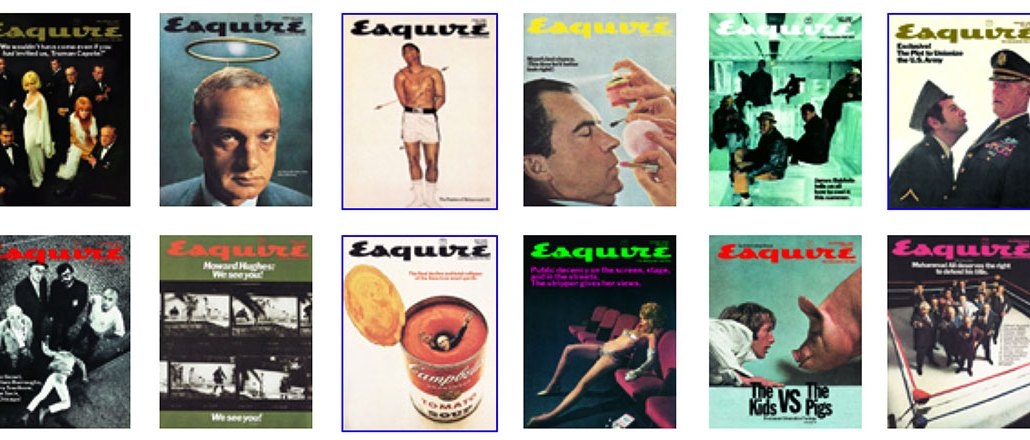
We had a chance to sit down with legendary art director George Lois, who is known for not mincing words. He is, in fact, a wizard with them. Images, too. Lois was the creative mind behind the “I want my MTV” campaign, which helped turn the fledgling cable channel into a cultural sensation. He’s also famous for creating more than 90 Esquire magazine covers that satirized pop culture and politics — like the cover of Richard Nixon getting make-up applied, a dig referencing his first debate against John F. Kennedy. Lois’ other Esquire covers astutely (and often controversially) observed contemporary society. In one, a woman shaving her face with a razor with the tag line “The Masculinization of the American woman.”
With such a storied career, we jumped at the opportunity to ask Lois about the latest cultural obsession: emojis. The 84-year-old had strong opinions, “I hate them. I hate everything about them.”
He didn’t have many kind words for the current state of the advertising industry, either. “Ninety-nine percent of advertising today is zero. It’s terrible, terrible advertising that literally doesn’t brand who they are.”
He even suggested that people should turn their backs on the biggest event in the advertising world: Cannes Lions.
But in true grumpy old man fashion, Lois saved his harshest words for presidential candidate Donald Trump, who used to be one of his clients. It didn’t end well, to put it mildly.


More in Marketing
In Graphic Detail: What Apple’s identity block means for the ad money
How Apple’s identity block hits publishers’ wallets, and why Apple can afford it.
Anthropic’s ad bill is soaring, according to IPO filing
Anthropic’s IPO filing shows an ad-free AI company with a fast-growing ad bill.
Salesforce’s $5.7 billion Braze deal puts marketers at an ecosystem crossroads
The deal promises faster, more connected marketing, while raising questions about vendor lock-in and how brands stand out as AI automates campaign execution.