Join us Dec. 1-3 in Nashville for the Digiday Programmatic Marketing Summit
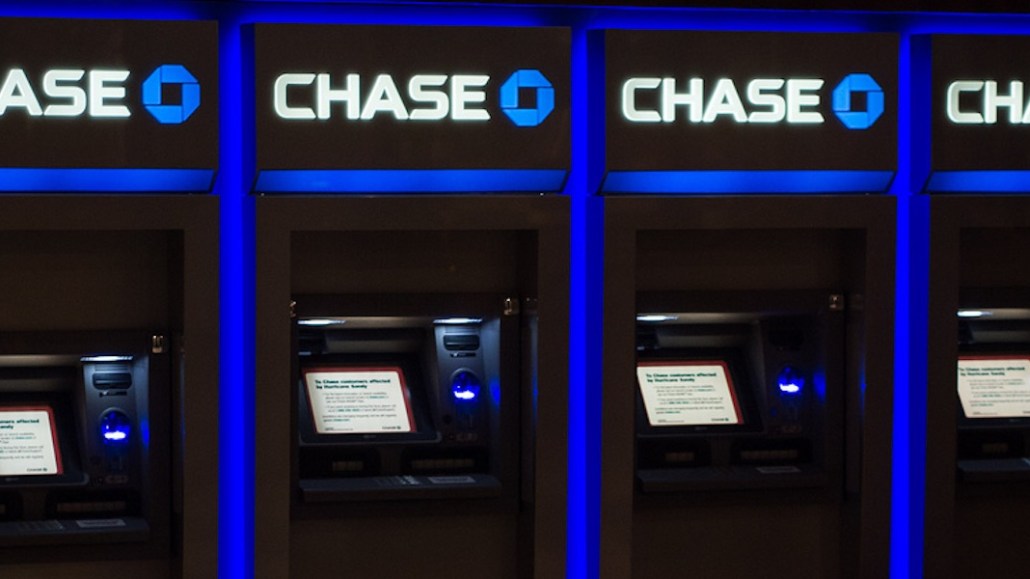
Arguably no banking technology in the last 50 years has been as disruptive as the ATM machine, celebrating its birthday Tuesday.
Banking may look different on the surface, but its core functions look the same. Growth of mobile banking usage is slowing, mobile payments haven’t really taken off, and banks are re-investing in their branches as an important and evolving channel for their evolving customers. Like branches, ATMs are an important point of contact for banks and their customers that aren’t getting phased out because some people are becoming more digital — they’re getting upgrades. Banks want sleeker machines with larger screens and the functionality to perform as an automated teller that does more than dispense cash and take deposits.
“The activities you can do on ATMs and mobile are very similar for those who are super mobile users with super high expectations of how an ATM should behave,” said Jose Resendiz, general manager for global financial services at ATM producer NCR. “For those who are not, it’s the perfect training ground for a financial institution to get their customers comfortable with how they’re interacting and engaging.”


More in Marketing
In Graphic Detail: What Apple’s identity block means for the ad money
How Apple’s identity block hits publishers’ wallets, and why Apple can afford it.
Anthropic’s ad bill is soaring, according to IPO filing
Anthropic’s IPO filing shows an ad-free AI company with a fast-growing ad bill.
Salesforce’s $5.7 billion Braze deal puts marketers at an ecosystem crossroads
The deal promises faster, more connected marketing, while raising questions about vendor lock-in and how brands stand out as AI automates campaign execution.