Join us Dec. 1-3 in Nashville for the Digiday Programmatic Marketing Summit
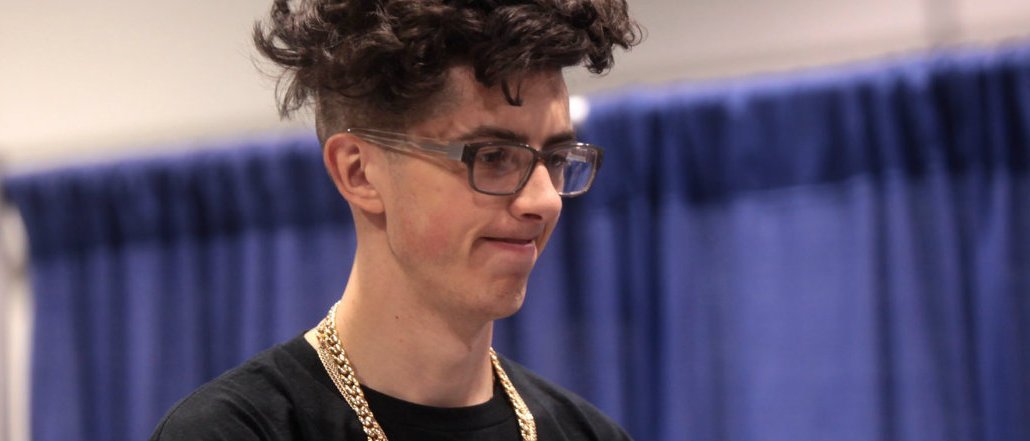
Even established YouTube pranksters can go too far. An offensive video posted by Sam Pepper, who has more than 2.3 million subscribers, has the site’s community in an uproar, and brings fresh light to the dangers advertisers can face when it comes to open social video platforms.
The five-minute video from Pepper, titled “Killing Best Friend Prank,” shows Vine star Sam Golbach being kidnapped and then forced to watch his best friend and fellow Vine star Colby Brock shot dead. All of this is a prank set up by Brock and Pepper, who introduces the stunt by saying, “Let’s see how [Golbach] reacts to his best friend of five years being killed in front of him.”
Unsurprisingly, the response to the video has been negative. Fellow YouTubers Jackson Harries, Teala Dunn and Carrie Hope Fletcher called the stunt “disrespectful” and “disgusting.” Hacktivist group Anonymous released Pepper’s personal information when he defied their demand to take the video down. A Change.org petition to get YouTube to deactivate Pepper’s channel has received more than 170,000 signatures.
YouTube does not plan to remove the video or take any action against Pepper’s channel, according to the BBC. The company said the video doesn’t violate any of its community guidelines, which are designed to protect viewers from seeing harmful or dangerous content.
The video might pass YouTube’s guidelines, but that doesn’t make it advertiser-friendly. This is problematic for brands advertising on YouTube, given the video has picked up more than 5.7 million views since Sunday and has featured unskippable pre-roll ads from Disney, Home Depot and McDonald’s, if not others.

Disney, Home Depot and McDonald’s didn’t buy ads directly with Pepper. His image is notoriously brand “unsafe”; he was previously accused of sexual harassment for another “prank.” And yet, as a YouTube partner, his channel still features ads. (Disney, Home Depot and McDonald’s have not responded to requests for comment.)
Right now, advertisers can buy individual channels on YouTube. For the bigger buyers, if they wanted to block specific channels, YouTube would likely comply — though that doesn’t happen often due to the difficulty in tracking all the inventory on the platform. It’s likely that Disney, Home Depot and McDonald’s — along with any other advertiser whose ads are running on Pepper’s channel — bought an audience or category that includes Pepper’s channel.
“If you object to a piece of content, you should have the right to make sure your ads don’t run against it,” said Chris Dorr, executive director of the Global Online Video Association. It would protect brands from questionable content, even if it comes from an established star like Pepper.
That said, there’s also a growing sentiment that content from pranksters like Pepper is the exception on YouTube.
“No two pranksters are ever the same,” said Greg Manago, creative development and production lead and executive producer at Mindshare Content+ and Entertainment. “The whole ‘prank area’ as a whole isn’t something to necessarily be afraid of; we’ve seen a lot of brands find success in that space.”
As an example, Manago points to the success Defy Media has seen with its “Prank It FWD” series, which features socially-conscious, positive stunts. Now in its fourth season, the series has racked up more than 100 million views and has been sponsored by retail brand Barefoot Wine & Bubbly.
But there’s little prank content that’s similarly uplifting — which is why the opportunity for this genre is limited for brands. So it’s possible to do it well, but only with the right partner and a certain amount of control over the messaging.


More in Marketing
In Graphic Detail: What Apple’s identity block means for the ad money
How Apple’s identity block hits publishers’ wallets, and why Apple can afford it.
Anthropic’s ad bill is soaring, according to IPO filing
Anthropic’s IPO filing shows an ad-free AI company with a fast-growing ad bill.
Salesforce’s $5.7 billion Braze deal puts marketers at an ecosystem crossroads
The deal promises faster, more connected marketing, while raising questions about vendor lock-in and how brands stand out as AI automates campaign execution.