Join us Oct. 26-28 in Newport Beach for the Digiday Media Buying Summit
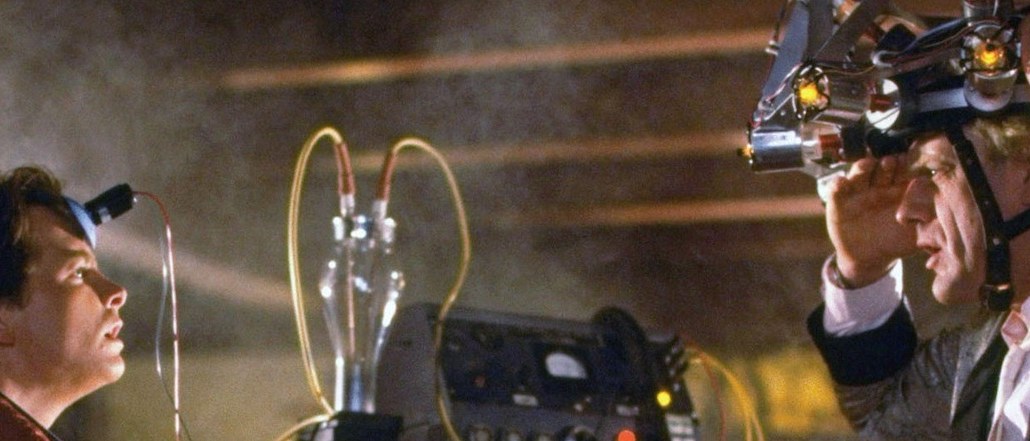
Today has been 26 years in the making.
It’s finally Wednesday, Oct. 21, 2015, the day depicted as the “future” in 1985 film “Back to the Future Part II.” Starring a young Michael J. Fox along with Christopher Lloyd and Lea Thompson, the movie envisions a world filled with flying cars, hoverboards, and power-lacing Nike sneakers.
That might’ve not fully materialized, but the brands shown in the movie — and several that weren’t — are celebrating the day appropriately. Topsy tracked 65,000 tweets using the hashtag, #BackToTheFutureDay, from fans and brands.
Here’s what brands are doing for #BackToTheFutureDay:
USA Today
Featured prominently in the film, the newspaper changed its website’s logo and tomorrow (the actual date on the newspaper in the movie), it’s sending out a collector’s edition wrapped around the real version to subscribers.
Hey, #BackToTheFuture fans, does this look familiar? You can own one tomorrow — grab a USA TODAY in print. #BTTF pic.twitter.com/fGVZ4IWCr1
— USA TODAY (@USATODAY) October 21, 2015
Lyft Although “Back to the Future” didn’t predict ride-hailing service, the app is offering free DeLorean rides in New York City today. Good luck getting one!
NYC: Use Lyft to hop in a Delorean & travel #BackToTheFuture w/ @Verizon: https://t.co/puDIeg0jEv #WhyNotWednesday pic.twitter.com/H2oZbD3C1G — Lyft (@lyft) October 21, 2015
Pepsi
Pepsi is selling 6,500 bottles of “Pepsi Perfect” for $20.15 to rip people off to commemorate the year.
All you wanted was a #PepsiPerfect? Available on 10/21/15 at https://t.co/tJxg2Et8ZH while limited supplies last. pic.twitter.com/WkSSwVNGS6
— Pepsi™ (@pepsi) October 20, 2015
AT&T Perhaps because Skype or Google Hangouts has replaced AT&T’s video conferencing abilities, the brand sent out a tweet about a car instead.
We may still need roads, but the #ConnectedCar makes 2015 seem pretty futuristic. #BackToTheFuture pic.twitter.com/4OZ9TboNIE — AT&T (@ATT) October 21, 2015
Nike
The shoe company hasn’t officially revealed what they’re doing today, but hinted at something big. Rumor has it that it’s a pair of power-lacing shoes from the movie.
.@realmikefox see you tomorrow.
— Nike (@Nike) October 21, 2015
Universal Pictures If the incessant promotions on its cable networks weren’t a hint, the film’s distributor released a video clip from actor Christopher Lloyd “just for you!”
The Future is NOW! Doc Brown has a special message just for you: https://t.co/JwLGB2qWOl #BTTF2015 https://t.co/lMZEIDwXot — UniversalPicturesEnt (@UniversalEnt) October 21, 2015
7-Eleven
The convenience store changed its logo to the one seen in the movie.
Where you’re going, you don’t need roads, but you do need coffee. #snacktothefuture #backtothefuture pic.twitter.com/gxwB52rSfn
— 7-Eleven (@7eleven) October 21, 2015
Then there are these brands that weren’t in the film that just couldn’t let a popular hashtag go:
“I need to borrow your… Oreo board” #BackToTheFuture pic.twitter.com/SDmXATtv1l — Oreo Cookie (@Oreo) October 21, 2015
Great Perrier! It’s October 21st 2015! #BackToTheFuture by Popsicle-Illusion pic.twitter.com/5j5d86taHr
— Perrier (@Perrier) October 21, 2015
Pigs? Where we’re going, we don’t need pigs. #BackToTheFuture #1.21Pigawatts pic.twitter.com/bcvOmnFkP1 — Angry Birds (@AngryBirds) October 21, 2015
Marty, the future is now! #TimeFlies #BackToTheFuture pic.twitter.com/hRQwCiTLSC
— Swatch (@swatch) October 21, 2015
We’ve got your Back, now, and in the future. Happy #BackToTheFuture day pic.twitter.com/lqXMCAmO0M — Charmin (@Charmin) October 21, 2015
Roads? Still don’t need those where we’re going. #McFLYing #BackToTheFuture pic.twitter.com/EdlPnlhzUQ
— JetBlue Airways (@JetBlue) October 21, 2015


More in Marketing
Ikea’s CMO sees LLMs as the newest place a brand has to hold its line
LLMs have widened the brand. Ikea’s CMO thinks the basics still hold.
How many people does it take to run an agency? According to Bad Mktg, just two if you’re using AI
BaD Mktg is just two employees and a lot of AI to run the business and ideate. The secret to its success? The experience of the people leading the ideation.
‘Mission and capital can coexist’: Golden State Valkyries’ Jess Smith on pitch to sponsors
The WNBA’s newest team must navigate measurement demands and marketers wanting to share in the ‘mission’ if it’s to establish a commercial foothold.