Secure your place at the Digiday Media Buying Summit in Nashville, March 2-4
Brands aren’t using Facebook Canvas, but Bernie Sanders and Ted Cruz are
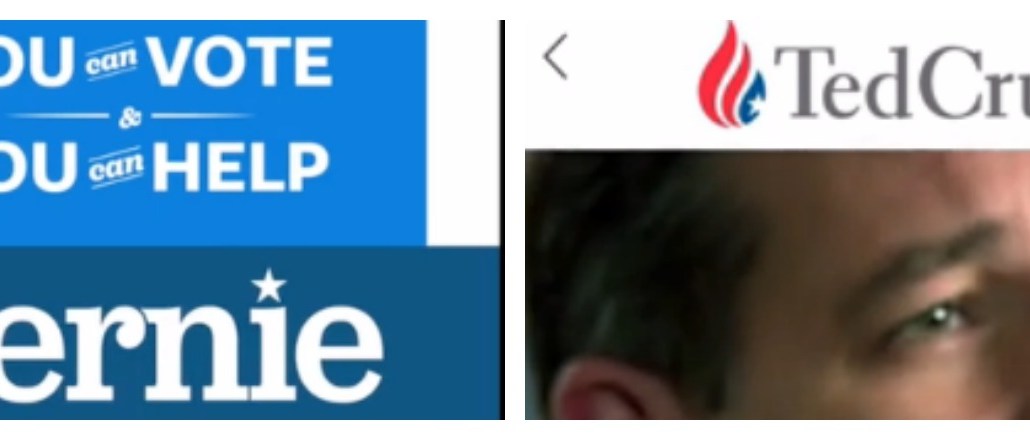
Brands have been relatively slow to pick up on Canvas, Facebook’s mobile ad format that’s been called “Instant Articles for brands.” But there are two other surprising fans of the format. Presidential hopefuls Vermont Sen. Bernie Sanders and Texas Sen. Ted Cruz have both made a full-court advertising push using Canvas in the primary season.
Sanders was the the first-ever politician to use Canvas, with an ad showing viewers how to vote in certain states — from finding a voting location to checking photo ID requirements — and also included information on how caucuses work. It cost the campaign $350,000, and it reached just over 750,000 people in Iowa. In New Hampshire, it reached 330,000 people for a cost of $175,000.
“Canvas is great for two big reasons. It provides these campaigns with the opportunity to tell an immersive story — their story — using video, stills and calls to action — really whatever works for them. And it’s designed for mobile, which is where the voters campaigns want to reach are spending their time anyway,” Chase Mohney, Facebook client partner, told Digiday.
The Cruz campaign ran its Canvas ad in South Carolina. The ad featured carousel video from Cruz with talking points on key issues like immigration and the Constitution, and ways to donate.
Bernie Sanders New Hampshire Canvas Ad from Digiday on Vimeo.
It’s an interesting tactic for political campaigns, said Eric Franchi, co-founder at digital ad agency Undertone. Because Canvas is mobile-only right now, its format lets marketers (or in this case candidates) do multiple things for political issues like swipe through stances or include a call-to-action like a donate button.
Of course, Facebook has been a key driver in this election season: The social network lets campaigns upload email lists of supporters and then target them, or upload voter files to match against Facebook profiles to reach real voters with vote histories. The platform also recently rolled out political influencer targeting that lets campaigns reach people in networks that are likeliest to share political campaigns. The platform has also been pitching its services to campaigns in an effort to grab ad dollars, and it expanded its political strategy team last year.
Overall, however, agency executives say pickup by brands has been relatively slow — because of how new Canvas is, marketer seem unsure on how to use it or if it will work. Beauty brand L’Occitane did a beta test for Canvas earlier this year and said it found good results. The issue is that it’s not yet clear if users will engage with the ad all the way until the end unless the creative is extremely compelling.


More in Marketing

Future of Marketing Briefing: AI’s branding problem is why marketers keep it off the label
The reputational downside is clearer than the branding upside, which makes discretion the safer strategy.

While holdcos build ‘death stars of content,’ indie creative agencies take alternative routes
Indie agencies and the holding company sector were once bound together. The Super Bowl and WPP’s latest remodeling plans show they’re heading in different directions.

How Boll & Branch leverages AI for operational and creative tasks
Boll & Branch first and foremost uses AI to manage workflows across teams.