Join us Dec. 1-3 in Nashville for the Digiday Programmatic Marketing Summit
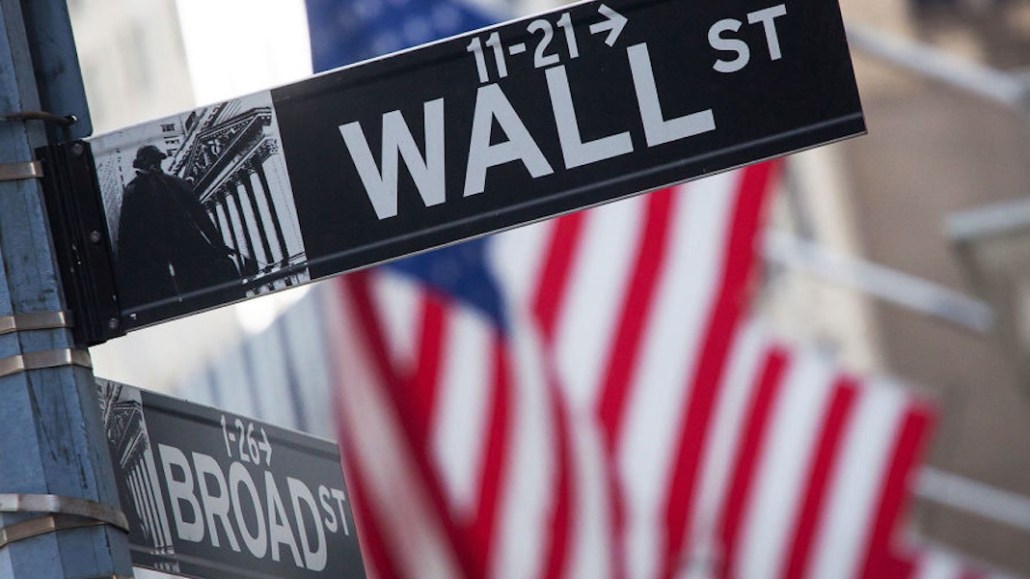
Financial organizations have been dealing with a technology-driven shift in culture from the inside out. One way they’re dealing: New sub-brands.
Marcus by Goldman Sachs, for example, touts itself as the startup inside Goldman Sachs that built an entirely digital personal loan product for consumers — a new set of customers for the 148-year-old company. Two weeks ago JPMorgan Chase introduced Finn, an app for people who would rather skip the branches for completely mobile checking and savings accounts with personal finance tools. Last week, Wells Fargo announced a similar offering called Greenhouse, a standalone mobile banking app with digital-only accounts and personal finance features.
One big reason for the shift is a focus on customer centricity. As financial brands strive to connect with customers in more specialized ways — because offerings have a more off-brand indication or target specific audiences — they’ve been looking for ways to stand for something different from the master brand. It doesn’t hurt, especially, when the parent brand is mired in other issues.


More in Marketing
In Graphic Detail: What Apple’s identity block means for the ad money
How Apple’s identity block hits publishers’ wallets, and why Apple can afford it.
Anthropic’s ad bill is soaring, according to IPO filing
Anthropic’s IPO filing shows an ad-free AI company with a fast-growing ad bill.

Salesforce’s $5.7 billion Braze deal puts marketers at an ecosystem crossroads
The deal promises faster, more connected marketing, while raising questions about vendor lock-in and how brands stand out as AI automates campaign execution.