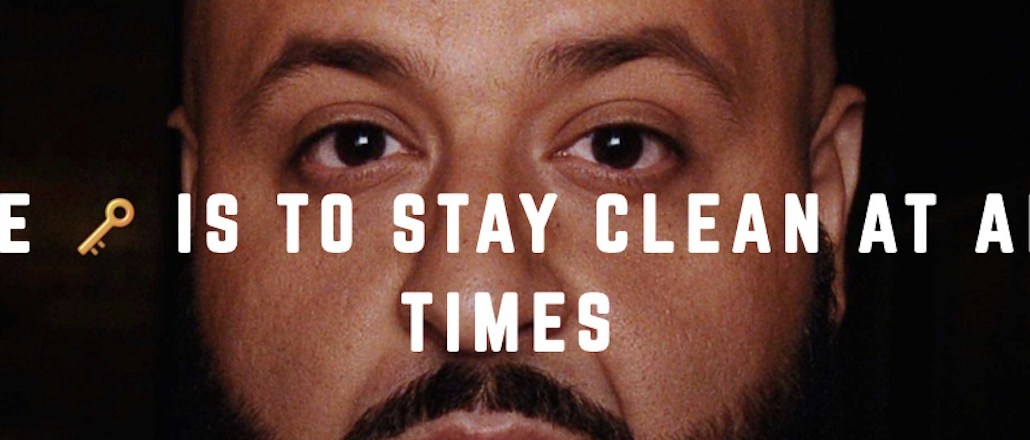
For brands, the key emoji is the new “bae.”
MasterCard used the emoji last night, co-opting a trend made famous by social media power user DJ Khaled and his fans for the past few months. It did not go well, as evidenced below:
Major Alert: If you need ID Theft alerts, we’ve got you covered. #blessup
— MasterCard (@MasterCard) January 11, 2016
“STOP,” tweeted a follower. Like “bae” and “on fleek,” brands are trying once again to talk like your cool aunt. And the Internet has had enough.
Until now, for example, the key emoji was a distinctively DJ Khaled marque. For the past few months, the music producer, who has 2.7 million Twitter followers, has made the key emoji an integral part of his personal brand.
On Twitter, Instagram and Snapchat accounts — the latter of which he used to document getting lost at sea on a jet ski in December that went instantly viral — he’s used the symbol to dish out “major keys to success,” like humblebrags or words of wisdom.
Happy bday !! My sis ! @maryjblige MAJOR !! https://t.co/NnXCkUxK3C — DJ KHALED (@djkhaled) January 12, 2016
Since he’s been peppering his messages with the key emoji to his 5.5 million combined followers on Instagram and Twitter, it’s taken off in popularity. Searches on Google for “key emoji” jumped 800 percent in December, Quartz says, and his usage of it is noted on the ever-expansive Emojipedia.
Other brands and even the White House have jumped on the craze, too:
Uber when it’s raining—major — Uber (@Uber) January 6, 2016
@jakeeypsabs Major : $0.50 grilled cheese TODAY #blessup https://t.co/KRJ7huGYdj — Sonic Drive-In (@sonicdrivein) December 30, 2015
Dad’s on Snapchat pic.twitter.com/5pxb7W6A0I — Brett LoGiurato (@BrettLoGiurato) January 12, 2016
wow MAJOR to success @djkhaled pic.twitter.com/VysLp2Ea1x — Denny’s (@DennysDiner) December 30, 2015
Monday motivation #BlessUp pic.twitter.com/pcJi7FcF2J — Wingstop (@wingstop) December 21, 2015
As evidenced by the reaction to the MasterCard tweet, brands risk alienating their followers by appearing to look like a “cool mom” at the party.
“Consumers would prefer a brand to deliver something useful and engaging or connect them to others who share the same interests or needs rather than artificially attaching a bit of cultural ‘flotsam’ to appear to be in the know,” said Jamie Gutfreund, CMO of Wunderman.
For brands, the key to success is to stick their message and not try to look cool.


More in Marketing

‘The processes are continuing forward’: Advertising’s dealmakers press on with M&A despite Iran uncertainty
War in the Middle East is a problem for advertising’s dealmakers. Just not yet.

In graphic detail: The numbers making the case for what holdcos could be
What the data says about the CMO-agency relationship — and none of it is comfortable.

TikTok rebrands its advertiser pitch around full-funnel ambition
The company’s latest business campaign aims to make the point that the app sees itself as a top tier platform for advertisers, where the full funnel can happen within one experience.