Secure your place at the Digiday Publishing Summit in Vail, March 23-25
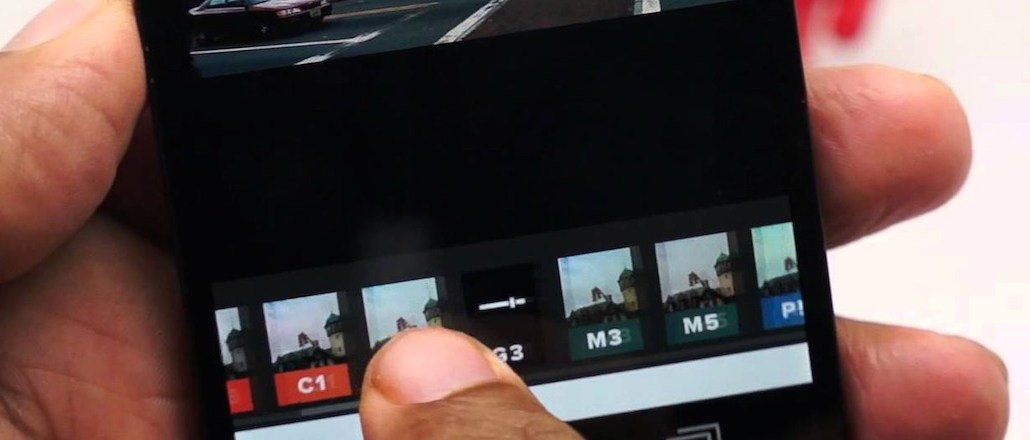
VSCO has grown to be a popular photo sharing app over the past four years because of editing features and filters not found on its chief rival Instagram. But now, it appears to have alienated its core fanbase over a botched update.
Last week, the app rolled out a new look, boasting a “simpler redesigned navigation and improved functionality,” according to its own press release. However, a vocal minority of its 30 million-strong user base thinks the new look is the exact opposite of that. The new layout, they say, is confusing and vague, in negative reviews on the app’s page and in vicious tweets.
On iTunes, VSCO’s rating dropped from three-and-a-half stars (out of four) to a dismal one-and-a-half stars. “Bloated, pretentious interface hides truly compelling image editing tools,” one person lamented, adding that the new user interface is “counterintuitive” because it’s “full of confusing swipes.”
Another person blasted VSCO’s increased emphasis on its branding, particularly the app’s logo. “The logo used for swiping and bringing up the camera its a good idea, however it does not fit, it’s also very distracting when scrolling,” another person said.
Perhaps the criticism was harsher on Twitter, as seen below, particularly alienating its emoji-happy younger audience:
The @vsco update is a great example of when a brand ignores it’s users & makes selfish changes. Useless app now.
— Lily Pebbles (@lilypebbles) June 13, 2016
why is the new vsco so disappointing, this doesn’t even look right wth pic.twitter.com/XEo1IubWzM
— vida (@reinavidaaa) June 13, 2016
ok but why is no one talking about how horrible this vsco update is
— Joanna Simon (@joannasiimon) June 13, 2016
I’m sorry what is this vsco update?
— Maddi Bragg (@MaddiBragg) June 10, 2016
VSCO is standing by the redesign, according to a company spokesperson: “This the first of many features that we have planned to fully realize our vision for VSCO as being a community for expression and we’re excited to keep testing new things. We’re really in this to lead and improve the industry as a whole and in doing so we face certain risks, but are confident that we’re making the right decisions for our community.”
While it still lags far behind from Instgram’s 400 million, VSCO is growing quickly, pushing into original content and making money by charging for filters.


More in Media

In graphic detail: Middle-tier creators are fueling the next phase of the creator economy
Facts and figures behind the growing middle tier of creators who make less than macro creators, but convert more.
How medical creator Nick Norwitz grew his Substack paid subscribers from 900 to 5,200 within 8 months
Creator Playbook: Unpacking the strategy behind medical YouTuber Nick Norwitz turning to Substack to significantly grow his brand.

Media Briefing: In the AI era, subscribers are the real prize — and the Telegraph proves it
In an era where AI is eroding referral traffic and third-party distribution, a subscriber who pays directly has become the most valuable reader a publisher can own. Springer just bought over a million of them.