Join us Dec. 1-3 in Nashville for the Digiday Programmatic Marketing Summit
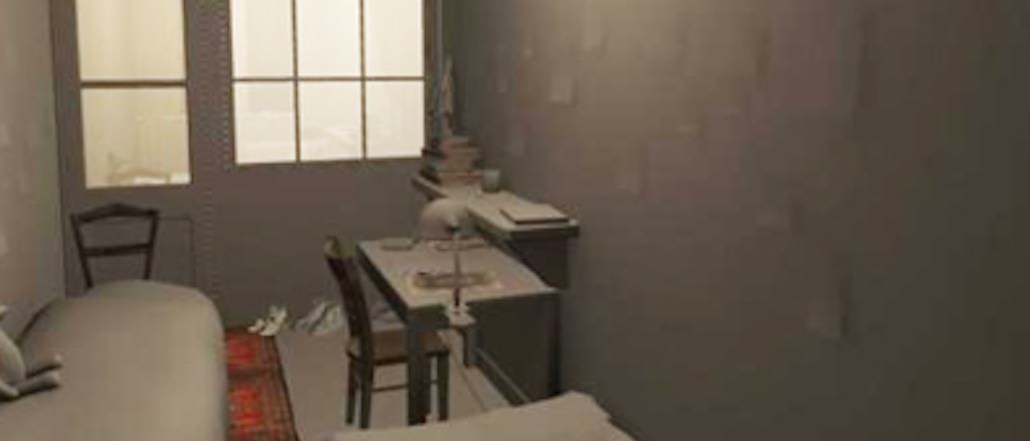
The virtual reality era is upon us and nobody is safe — not even Anne Frank.
Her story is one of the twentieth century’s most well-known tragedies, but that hasn’t stopped filmmakers from announcing a new VR film, titled “Anne,” that recreates the Dutch attic she hid in with her family during World War II in 1942 from Nazi persecution.
“To experience this film will be to immerse oneself into a place and time, to move about a room, amongst the people, and sense the moment in a way never possible before [virtual reality],” said producer Danny Abrahms in a statement. He added that viewers will “feel like they are there” in the attic, a place where the Frank family lived in terror for two years.
Of course, offering an immersive experience of Frank’s attic isn’t novel: People have been able to visit her house, the Anne Frank Museum, in Amsterdam since 1960.
Yet the idea of applying a for-profit VR experience to Anne Frank’s story has some scoffing:
You know what does a spectacular job of taking audiences “inside the attic” with Anne Frank? Her diary. VR need not apply.
— Daniel Fienberg (@TheFienPrint) May 3, 2016
when VR was invented, the first thing I said was “we’re finally going to get the full Anne Frank experience”
— Brett ______ (@BrettRedacted) May 3, 2016
gopro tours of birkeneau, facebook live from the venetian ghetto, VR is the perfect medium for the lachrymose view of jewish history
— noah kulwin (@nkulw) May 3, 2016
the next best thing to real genocide “@THR: Anne Frank virtual reality film planned https://t.co/lqvcwM2p5j pic.twitter.com/LUCK4QkQd3”
— Irwin Handleman (@irwinhandleman) May 3, 2016
Others, however, are cautiously optimistic that the VR technology might of offer an immersive and emotional experience that can give her story a tangible, updated angle.
“So, what could possibly be more powerful than immersing them in one of the most intense times in history? Plus, Anne Frank’s story has been told more times than many of us could count. The only difference with this film is that form of how it is presented is changed,” Bustle writes.
The film does not yet have a release date.


More in Media
Creators say it’s difficult to make money from news — with platform rules and brand guidelines
With more people getting news from creators than traditional media, those creators are still trying to build sustainable businesses.

Why CNN International is building for agentic ad market that barely exists yet
CNN International is still chasing its first agent-sold dollar by Q1.

Media Briefing: The transatlantic push to rein in stealth bots is gathering pace
U.S. and U.K. publishers are pushing for laws to crack down on stealth AI crawlers as bot scraping surges and demands for transparency grow.