Join us Sept. 24 in NYC to connect with execs from Digitas, Claire's, Marriott, Havas and others
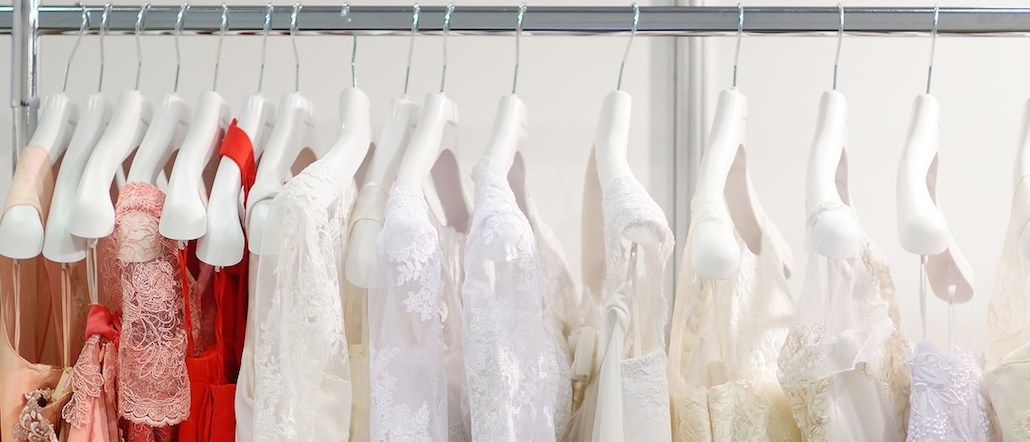
When shopping online for a Kate Spade dress, customers are prompted on the product page to “find their True Fit” below the drop-down list to a pick a size. After answering a few questions — height and weight, the name of a brand that typically fits well — True Fit returns the size that would most likely fit from Kate Spade’s offerings. It also pairs the match with a rating of how well the dress is expected to fit.
Kate Spade has integrated True Fit’s algorithm into its online store since May 2015, and Mary Beech, the brand’s evp and CMO, has said that in the time since, customer return rate has dropped and e-commerce sales have increased, both in the double digits, although the company does not break out specific figures. Beech said that the goal of the integration was to ensure customer confidence online. True Fit’s other retail customers include Nordstrom, Adidas, Topshop and Macy’s. Read the rest of this story at Glossy.co.


More in Marketing
Perplexity is betting big on creators
AI companies face a tricky sell: to convince creators to advocate for a technology that many fear could threaten livelihoods.
Marketers are using AI search concerns to argue for higher media budgets
Brands with long consideration journeys, like insurance and cars, are paying close attention to shifting search behaviors. They’re using that concern to make their case for more media dollars.

In Graphic Detail: Inside the scramble to measure a brand’s AI visibility
Marketers are catching on that AI doesn’t rank their brands, it decides whether it gets brought up at all. That shift is already reshaping how the industry works.