Join us Dec. 1-3 in Nashville for the Digiday Programmatic Marketing Summit
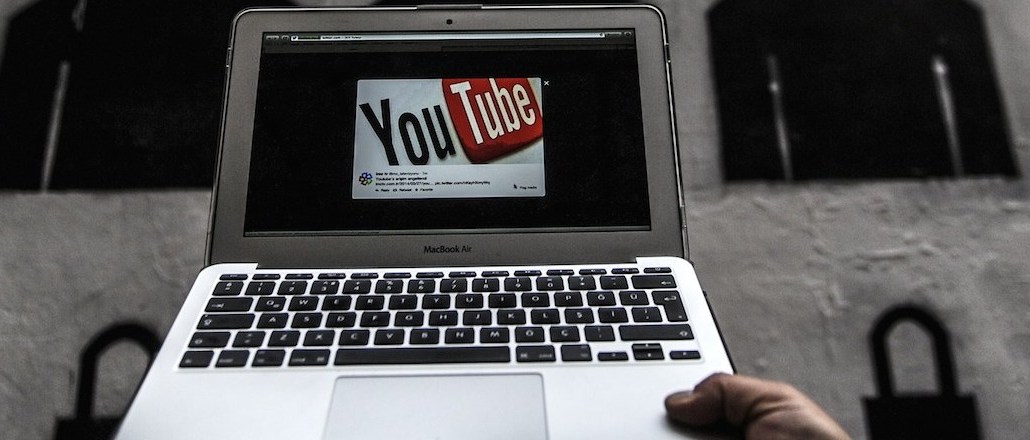
YouTube is taking a lax approach to enforcement of its logo restrictions on branded content.
Last week, Digiday discovered that YouTube had quietly updated its paid product promotion policy. The company now explicitly bars creators already monetizing their content through YouTube ads from inserting “graphical title cards” featuring their sponsors’ brand or product logos into their videos, unless those sponsors also purchase a full media package on that channel through Google.
That policy still stands, but YouTube has decided not to actively look for offenders for the time being, according to a source close to the company.
“YouTube is not policing this policy yet unless they receive a complaint about the video, [though] that may change,” said the source. “But basically, using a brand logo as part of a paid placement or paid integration is a no-no unless the brand buys 100 percent share of voice on the video.”
That means video creators and multichannel networks could include video overlays with sponsor logos in their videos for now, but by violating a current YouTube policy they would risk a future takedown should Google begin enforcing the policy more proactively. Additionally, YouTubers or multichannel networks could issue complaints about their competitors’ videos, prompting Google to act or at least investigate that content.
A YouTube spokesperson declined to comment on the company’s enforcement plan for its paid product promotion policy.
YouTube has no rules preventing creators from inserting brand-related hashtags into their videos, the source clarified. And creators who are not getting paid by sponsors can use brand logos in their YouTube videos freely.
But YouTube’s current policies technically bar partner channels from including paying sponsors’ logos as overlays in their videos, a common practice by YouTube creators, who edit sponsor logos into their videos to bring sponsors attention or prominently link to sponsors’ content. The one exception: That practice is fine if sponsors also advertise on creators’ channels through official YouTube ads, which bring Google a portion of the revenue.
“If I were a creator, I would probably err on the side of caution,” said Paul Verna, a senior analyst at eMarketer. “There’s a lot they can still do and play by the rules. … The lines have been shifted a little bit but not completely redrawn.”
An agent who represents a number of prominent YouTube stars said his clients haven’t yet run into any issues with YouTube regarding the distribution of branded content.
A YouTube representative explaining the policy last week said it is in place to ensure a good user experience and prevent advertiser conflicts. However, Paul Kontonis, executive director of the Global Online Video Association, suggested YouTube put it in place because “in their minds they are losing money to product integration and sponsorships within video.”
Either way, it appears Google doesn’t intend to rigorously enforce its own policy.
“A rule is only as good as how much it’s being enforced,” said Verna. “But then again, it could pivot at any point. That’s the risk that all these creators take when they choose to participate in this ecosystem. Ultimately, it’s someone else’s platform, and the platform can do whatever it wants.”
Main image courtesy of Bulent Kilic / AFP / Getty Images


More in Media
Reach CEO touts Google AI deal as a template, steps up pressure on OpenAI over scraping
Digiday spoke with Reach CEO Piers North about his plans to make its Google AI content deal a blueprint framework for other LLM deals, and its recent cease-and-desist letter to OpenAI.
Social commerce edges past SEO at The Independent for the first time
The Independent’s social-commerce revenue edged past its SEO-based commerce revenue for the first time in September, CEO Christian Broughton said at Digiday’s Media Strategies event in London this week.
Ownership, control, margins: the brand playbook for microseries is still taking shape
Creator-led microseries are hot, and brands want in, but everyone’s still figuring out the structure of the deals and the content itself