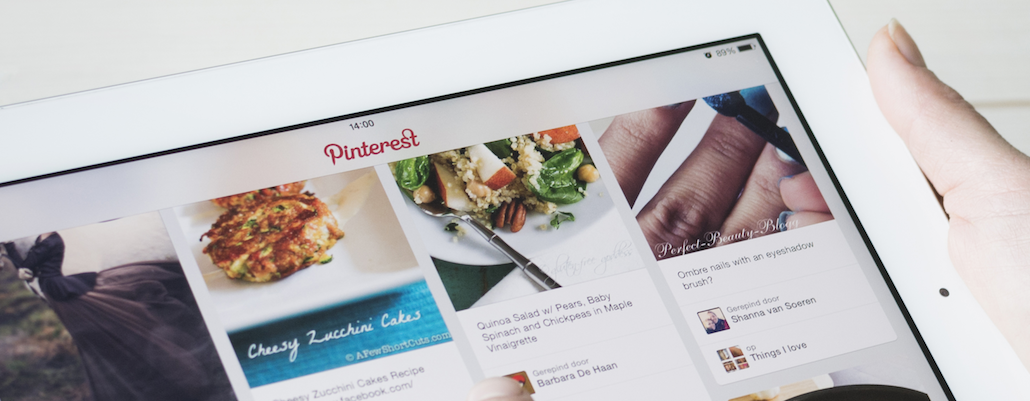
Publishers looking beyond Facebook and Twitter for social media-driven audience growth are increasingly finding a compelling alternative in Pinterest.
The discovery platform has become traffic gold for any publisher or brand looking to extend the shelf life and reach of its visual content. Some Hearst sites, for example, see as much as 10 percent of their traffic from Pinterest, outpacing the referral numbers from even Twitter.
Women’s lifestyle site PureWow, which also sees 10 percent of its referral traffic from Pinterest, has taken things a step further by hacking together a custom ad product to help monetize readers’ Pinterest activity.
PureWow starts by designing banner ads with”Pin It” call-to-actions, which, when clicked, send readers to a landing page built for specific brands. For Silk almond milk, for example, PureWow sent readers to a page of recipes (all of which include almond milk as an ingredient, naturally) that readers can individually add to their Pinterest boards. Because every pin also comes with a link, PureWow can also use its brand pins to drive traffic to the brands’ sites or Facebook pages.
“A lot of brands have all their eggs in the Twitter and Facebook basket,” said PureWow CEO Ryan Harwood, “so this lets them play in the Pinterest space without them having a robust presence there.”

The approach makes sense. Pinterest users, an estimated 71.4 percent of which are women, like the platform because its visual approach lends itself well to recipes and fashion. Those are two spaces that overlap well with the interests of PureWow’s 4 million monthly readers, which include fashion, beauty, food and travel.
Besides Silk Almond Milk, PureWow has also created custom campaigns for big-name brands like Universal Studios,Benjamin Moore, Columbia Outerwear and Warby Parker. The effort has been successful, Harwood said. The Silk Almond Milk campaign got more than 12,000 pins and repins. Another campaign with Pepsi’s Trop50 brand, wherein PureWow’s editorial team created custom cocktails around the drink, saw 40,000 pins and repins.
PureWow’s Pinterest efforts come as Pinterest is evolving from being a simple digital scrapbook to a powerful content discovery and commerce platform. It’s been a compelling pitch: The site has raised $764 million since 2010 on the idea that brands will want a piece of its active base of 40 million users.
Naturally, publishers want a piece as well. “I’m bullish on Pinterest,” Harwood said. “I’ve seen first hand the power of it from a traffic perspective, so I think the more they open up their API, the more creative publishers and tech companies can get with them.”


More in Media

Condé Nast, Hearst among 300 media execs to push federal ‘bad bots’ bill on AI scraping
More than 300 publishing execs are heading to Washington, D.C to push Congress to crack down on AI bots that scrape their content without permission.

Digiday Publishing Summit September 2026 Recap: How publishers are rebuilding for the post-search era
Execs at DPS described how they’re preparing for a post-search era by prioritizing direct audiences, diversified revenue and AI strategies.

From brand deals to equity deals: creators want a stake, not just a fee
The creator economy is moving into a new phase: creators getting into companies at the ground floor through sweat equity or angel investing.