Technology x humanity: A conversation with Dayforce’s Amy Capellanti-Wolf
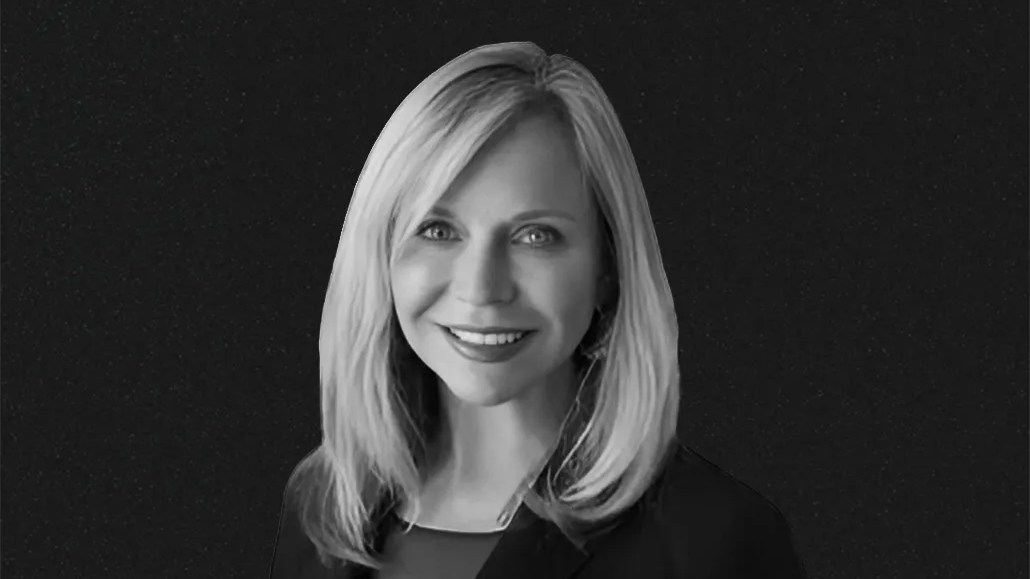
In a conversation from the sidelines of its annual convention, Dayforce chief people officer Amy Capellanti-Wolf shared insight on everything from navigating AI adoption and combating burnout to rethinking talent strategies.
Her POV — heading HR for an HCM tech company with 7 million global users and clients like Danone, EY and Gannett, while also serving as what she dubs “customer zero” for Dayforce’s own product line — gives her rare perspective on where workforce management is headed in the new year and beyond.
Following are highlights from our one-on-one, edited for clarity and length.
How do you balance AI-driven efficiency with keeping human beings at the center of work?
AI is a tool and only as smart as the information it receives. It gives you choices but won’t advise you on selections. You need critical thinkers to take that data and figure out how to apply it. If you make it all about technology, you’ll get disengagement and fear. You need the people element to accelerate it.
What new responsibilities do people managers find themselves taking on?
There’s a trend of HR and technology roles converging. I met a customer whose title changed to chief HR and tech officer because they’re so intertwined in terms of change management and the human-to-AI piece. You’re also seeing chief AI officers reporting to HR leaders, people who understand how to run a business through an AI lens from privacy, governance and humanistic perspectives.
How can HR leaders demonstrate ROI to CEOs?
Look beyond traditional metrics like cost-per-hire. Revenue-per-employee and expense-per-employee matter tremendously — that’s where workforce planning makes a big difference. With hybrid work opening our aperture to hire anywhere, we’re now strategically building presence in places like the Philippines, India and Mauritius. It’s not just cost arbitrage but finding great talent at potentially lower costs while building community. Without workforce planning, people hire anywhere without thinking about cross-organizational impacts.
Where are we with hybrid and remote work policies?
It’s still a work in progress. [Dayforce] is remote-first, and our data shows candidates are drawn to that flexibility. The key is finding ways for people to connect, bringing teams together monthly for collaboration, then letting them return home to do their work. I’m more of a carrot than stick person. Some companies mandate office returns because they want people to quit, but the question is, are the right people quitting?
What’s your take on the focus on skills-based hiring?
I’m less concerned about degrees now. They used to be a right of entry, but I’m more interested in learning agility and mindset. I hired a very strong leader who had no education on her resume; her learning came through experience, and she was exquisite. Degrees cost too much, and many capable people are choosing different paths, including trades where we have significant deficits.
What’s the most underrated retention strategy?
The relationship between manager and employee, and the company’s purpose. Throwing money at people is overrated; it lasts briefly, then you’re back to being unhappy at work. Does my manager care about my growth? Am I paid fairly? Can I grow my career? Do I contribute to where the company’s going? It’s that simple, but people make it too transactional.
Why does burnout remain such a persistent problem?
We do it to ourselves in the U.S. We’re chained to our technology and always on. The macroeconomics have people afraid of losing jobs, so they work more to prove their worth. We’ve cut workforces but haven’t cut the work. As CPOs, we need to tie workforce planning to strategy, not just cut people randomly. We need better employee assistance programs, pulse surveys to measure sentiment, and benefits that proactively address mental health. It’s not a silver bullet, but thoughtful workforce planning against priorities makes a real difference.


More in Media

Media Briefing: Overheard at the Digiday Publishing Summit, March 2026 edition
With no sign of search traffic returning, publishers are doubling down on subscriptions to build direct reader revenue — but it’s not easy.

People Inc.’s Jon Roberts on the AI licensing boom – and the revenue lag
People Inc’s Jon Roberts discusses the boom in AI content licensing marketplaces — and the revenue that could materialize for publishers.

YouTube is building infrastructure for the full creator-brand partnership life cycle
YouTube’s Gemini-powered Creator Partnerships promises to alleviate pain points in the influencer marketing pipeline.