Join us Dec. 1-3 in Nashville for the Digiday Programmatic Marketing Summit
 For the next two weeks, Digiday will examine “the modern publisher.” Each week we’ll sit down with a leader in the publishing industry who is rethinking its approach to digital media. The series is made possible through the sponsorship of QuadrantOne.
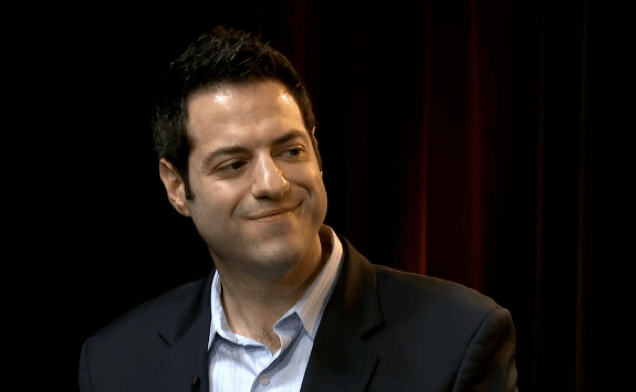
Ray Wert recently made an unlikely switch. He went from the editorial side of Gawker Media to sales. The former Jalopnik editor moved into the company’s newly created role of executive director of content. The idea: Wert’s team will work with Gawker sponsors to provide the guidance, tools and expertise needed to create content. Brands are not built for content creation and distribution, and as the Web continues to evolve, publishers are offering brands ways of developing content that its audiences will find engaging.
This opens the door for publishers to get out of the commoditized banner market. As Gawker CEO Nick Denton put it in announcing Wert’s role, “We expect that the banner ad business will be supplanted by our content services and content-driven commerce.”
Wert believes content provides more a meaningful engagement — and provides publishers the opportunity to much more value than simply carving out a section of pages for an ad message.
Watch the full interview below. Next week, Jim Bankoff, CEO of Vox Media, sits down to discuss why technology is vital to the success of the modern publisher.


More in Media

The Daily Mail tests GEO with brands ahead of AI visibility product
The Daily Mail is running around a dozen GEO tests to work out what works before turning its AI visibility offering into an official product early next year.
Meta delays rollout of updated commercial terms amid publishers’ collective pushback
Meta’s updated commercial terms have galvanized publishers into a coordinated pushback over the company’s use of their content.
Creators say it’s difficult to make money from news — with platform rules and brand guidelines
With more people getting news from creators than traditional media, those creators are still trying to build sustainable businesses.