The piece was first published by Digiday sibling WorkLife
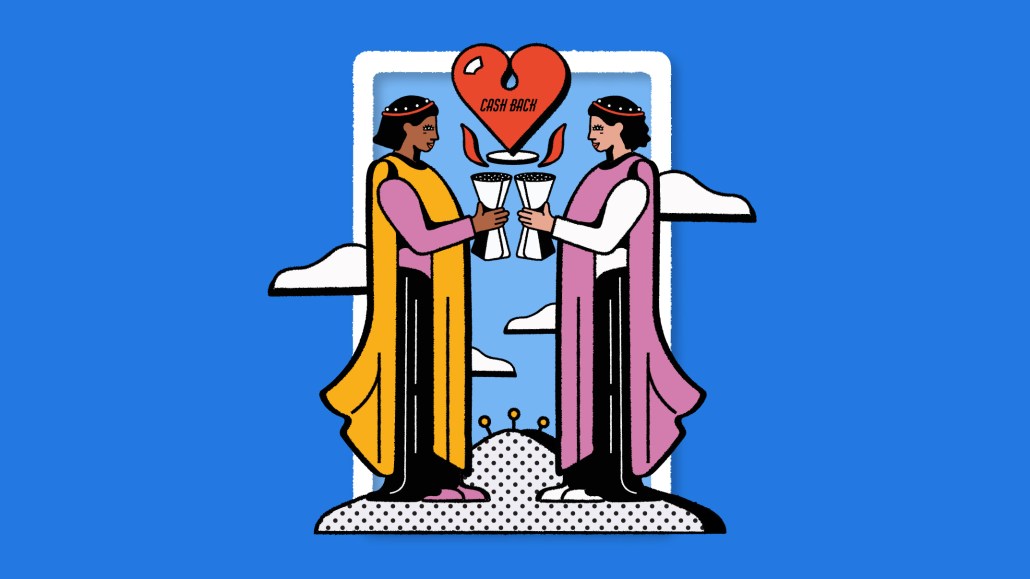
The watercooler flirtation has gone digital, with emojis and GIFs becoming the new Cupid’s arrows and LinkedIn and Slack taking the place of Tinder.
According to recent studies, office romances aren’t just surviving hybrid work — they’re thriving in it.
Nearly 4 in 10 U.S. workers have dated a coworker, a survey from resume platform Resume Genius has revealed. And the latest research from the career website Zety found that 86% of employees believe remote working has made it easier to form romantic connections with colleagues.
“Gen Z grew up being more naturally transparent and open about their relationships, thanks to social media and technology like dating apps,” said Eva Chan, career expert at Resume Genius. “Their willingness to date across hierarchies has blurred the lines between personal and professional lives in a way we haven’t seen before.”
The numbers back it up. According to Resume Genius’ survey of 1,000 workers in the U.S., 45% of Gen Z workers report having slept with a colleague, while 11% have dated their manager — significantly greater than any other generation. Meanwhile, 1 in 10 Gen Z employees say their workplace romance helped them land a promotion.
To manage office relationships, many HR leaders are abandoning what are seen as outdated approaches, according to Mark Kluger, founding partner of employment law firm Kluger Healey. Kluger advises against blanket bans on workplace connections, which he dubs “Romeo and Juliet policies.” As he explains: “Those who want to be together will find a way, but that might mean sneaking around and deceiving the boss and coworkers.”
Some companies are getting creative by initiating “love contracts,” formal agreements that acknowledge workplace relationships while setting clear boundaries. While it might sound like something from a romantic comedy, such agreements serve a serious purpose.
To read the full story over on WorkLife click here


More in Media

SPUR publishes AI content tracking standard, pitches OpenAI and Google to join advisory board
Publishers are pushing for AI transparency with a new SPUR standard to track how AI tools use content, and inviting frontier AI labs to help.
Media Briefing: Publishers are turning GEO from an experiment into a business
Publishers are turning GEO into a new revenue stream as clients increasingly look to boost their brands’ visibility in AI-generated answers.
The creator economy’s stance on AI is shifting — again
Creators are integrating AI tools into their workflows, but at what point does it overtake the creative process and result in sameness?