Join us Dec. 1-3 in Nashville for the Digiday Programmatic Marketing Summit
Virtual Therapy: In our Internet Age, we are all accustomed to going online to access all kinds of services, from ordering food to booking flights to video chatting. Now you can video chat with your therapist. Psychology is the latest industry to jump onboard the Internet train. Many psychologists are exploring the idea of virtual therapy as a way to treat patients who for mental or physical reasons would not be able to visit a therapist’s office. Online therapy is also a good way for people who are embarrassed by the stigma of psychological help to still seek treatment while keeping it private. Some companies already exist, like Cope Today and HealthLinkNow, that offer online therapy or help match online therapists to patients. The one big problem is that while the field of psychology may be ready to be a part of the online revolution, insurance companies are not as quick to jump. Without insurance coverage for online therapy, people will obviously be much less inclined to seek online treatment. NYT
Sexting in the Future: Here is documentation of “Technology-Enabled Congressional Sex Scandals of the Future.” McSweeney’s
Etsy Shop of the Day: For all of you Casey Anthony trial fanatics who want to keep the courtroom drama alive, just stop by this Etsy shop and buy a “Casey Anthony Trial Diorama Case Courtroom Dolls OOAK Judge Lawyer Mini Courthouse” for just $450! Jezebel

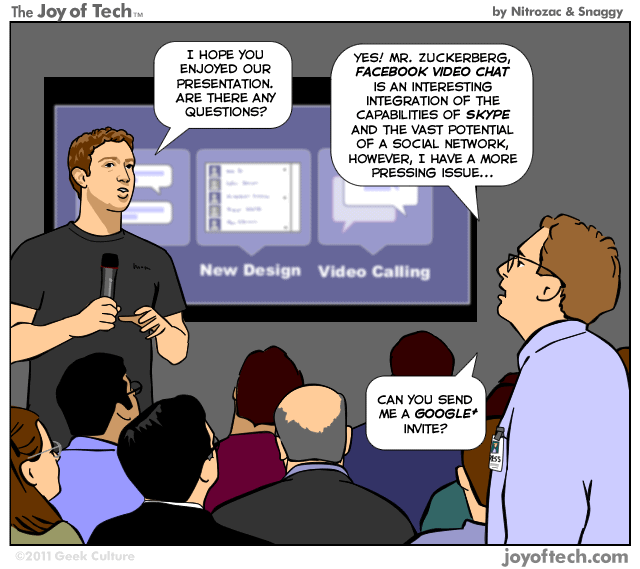
Comic of the Day: I mean, he is the number one user on Google+. Geek Culture
Video of the Day: I don’t even know.


More in Media

Creators say it’s difficult to make money from news — with platform rules and brand guidelines
With more people getting news from creators than traditional media, those creators are still trying to build sustainable businesses.

Why CNN International is building for agentic ad market that barely exists yet
CNN International is still chasing its first agent-sold dollar by Q1.

Media Briefing: The transatlantic push to rein in stealth bots is gathering pace
U.S. and U.K. publishers are pushing for laws to crack down on stealth AI crawlers as bot scraping surges and demands for transparency grow.