Join us Dec. 1-3 in Nashville for the Digiday Programmatic Marketing Summit
Bombfell’s Sandro Roco on getting customer data that Amazon doesn’t have
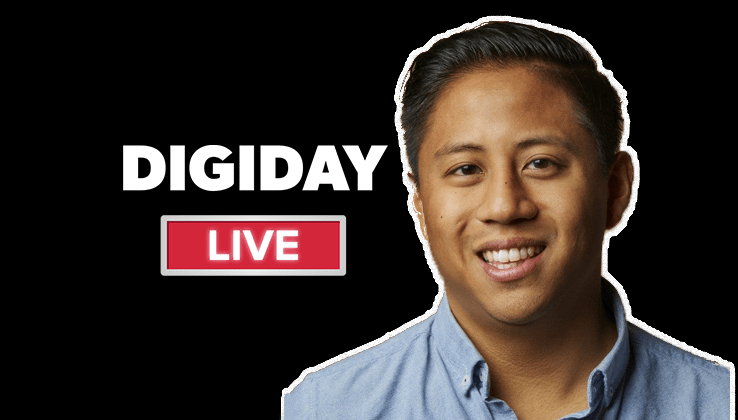
Bombfell, a personal shopping subscription service for men, delivers clothing in a box to its subscribers. Sandro Roco, Bombfell’s director of strategic initiatives, spoke at the Digiday Retail Summit in February about how the company uses data as well as the overlap of personal styling and retail subscriptions.
Fashion needs a human element
“Technology can fuel business. We have a data science team that helps power these algorithmic recommendations to our stylist as to what to send to our clients. But we believe that apparel, style, fashion is a subjective process. That last mile should have a personal touch at the very end.”
Facebook made massive growth for creative businesses possible
“Facebook launching the lookalike audience algorithm was probably the biggest thing to change the trajectory of businesses like Bombfell that started out as 100 percent online. Between 2014 and 2017, we had one marketer, and the company was able to [grow to] 20 times [our initial size] in that time. It shows the [potential] of bootstrapping created with the power of a Facebook algorithm.”
Collecting data that’s distinct from Amazon’s
“We think the experience of shopping for clothes still leaves much to be desired. The gap to be solved is, ‘Will it fit me specifically?’ Our company has been able to develop a proprietary IP. Customers tell you things that they won’t even tell their spouses or therapists. Our guys tell us a lot in the onboarding process. They give us information that Amazon may not get — their height, weight and more. What investors and we want is positive unit economics. We generate solid gross margins.”
Operating in a crowded market
“We don’t have any intentions to go into the women’s market. Our DNA is in the men’s space. We compete favorably on average unit retail with the Trunk Club. We’re trying to capture the down-market customer. We’re in the Stitch Fix realm of pricing. At this point, it’s really just branding. It’s not winners-take-all. We think there’s enough space for all of us [retail subscription services] to operate.”


More in Media

Creators say it’s difficult to make money from news — with platform rules and brand guidelines
With more people getting news from creators than traditional media, those creators are still trying to build sustainable businesses.

Why CNN International is building for agentic ad market that barely exists yet
CNN International is still chasing its first agent-sold dollar by Q1.

Media Briefing: The transatlantic push to rein in stealth bots is gathering pace
U.S. and U.K. publishers are pushing for laws to crack down on stealth AI crawlers as bot scraping surges and demands for transparency grow.