Working with Amazon is a ‘one-way street’: A Slack town hall with Caraa CEO Aaron Luo
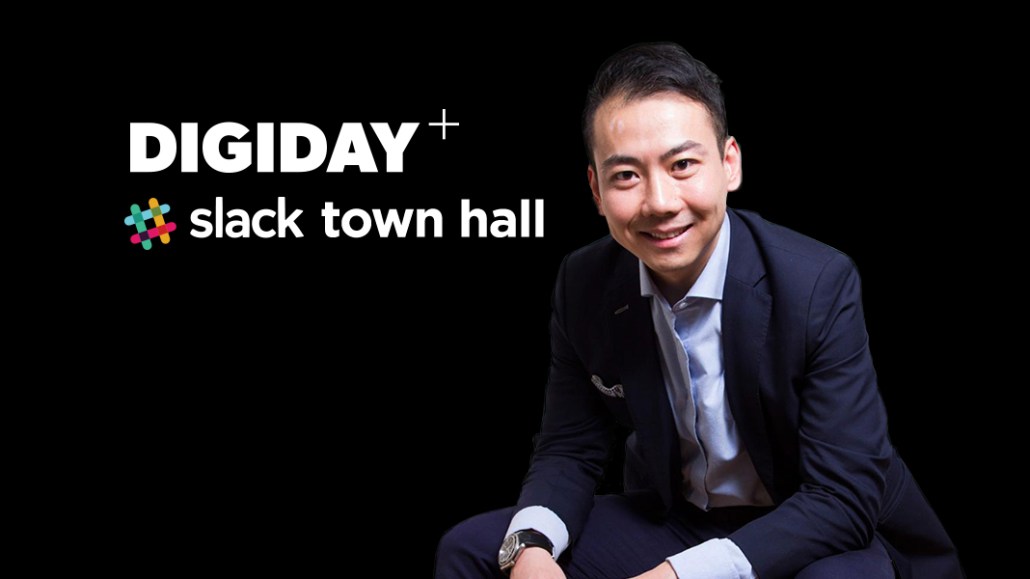
On Thursday, Aaron Luo, CEO and co-founder of luxury bag and accessories brand Caraa, stopped by the Digiday+ Slack for our latest town hall. We discussed Caraa’s partnership with Amazon, Instagram’s importance for the brand and data.
We hold Slack town halls every two weeks with change-making digital media, marketing and retail executives. In between, we have editorial chats and group discussions on industry topics. Become a member of Digiday+ to join us.
Here’s what you missed from our chat with Luo.
Amazon is pitching to luxury brands but not doing enough
“We love the efficiency as far as the distribution of Amazon, but are always worried about overall brand image associated with selling luxury on Amazon. Speaking from experience, in comparison with other luxury retail platforms that we have partnered with in the past (i.e., Tmall), Amazon is less engaged.”
Data for Amazon is not convincing
“Luxury is all about custom experience, and currently Seller Central from Amazon doesn’t provide that kind of experience for the consumers. We don’t get any data back from Amazon currently. We find their current seller platform data visibility is a lot less than what you can get from GA or other luxury retail platforms.”
Instagram is Caraa’s No. 1 platform
“Because it’s [Instagram] ‘free,’ we double down on the storytelling through the platform. We find Facebook [to be] not that effective. We did have a Snapchat, but have focused solely on Instagram Stories since their launch so that our entire base can follow along. Due to the high price point of our product, it does take some time to convert audience to customer. It takes 30-plus days to convert usually; the challenge is effectively hitting them multiple times within that period to reduce the cycle time.”
Influencers vs. micro-influencers
“We’re all about micro-influencers to act as our brand evangelists. We have a strict policy not to pay any influencers. We find that people who only post for money or product tend to be much less effective in the long term than people who genuinely love the product. We do, to be clear, compensate our ambassadors, but we don’t ever lead with that. Followers-wise, we have definitely not pursued relationships with ‘high-profile influencers’; however, we find that even though through them we would get higher distribution, we get a similar engagement rate through micro-influencers and can develop a lasting relationship with them. We get to talk to the influencer directly vs. their agent.”


More in Marketing

Apple finally explains its Safari block, and identity companies are in its sights
As Apple spells out its case for blocking identity companies in Safari, its job board shows an ads business with big plans.

Ad Tech Briefing: Can flipping the ad auction wrest control of ad tech from Google?
Prebid wants to change one of the key fundamentals of ad tech.

Target bets on buzzy TikTok brands like Mellow Sleep to revamp its home category
This fall, there’s been a steady drumbeat of new brands launching in the big-box retailer’s home category.