Join us on July 30 in NYC for a breakfast & panel
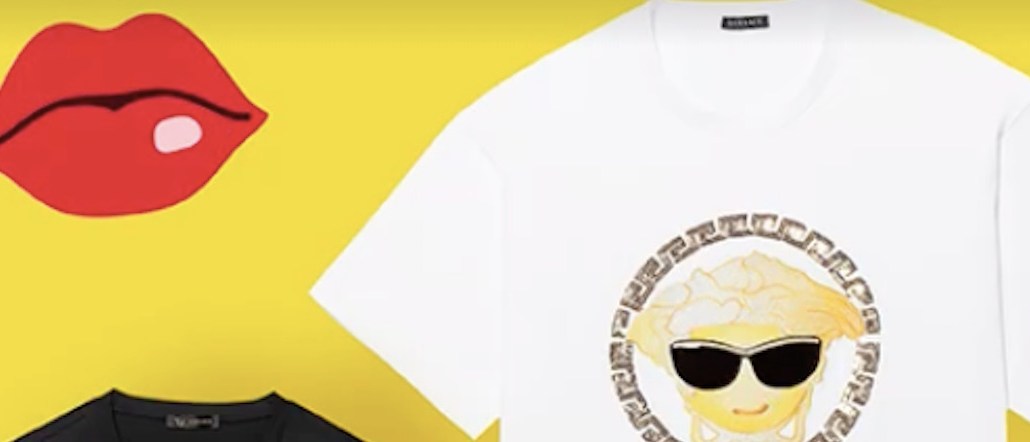
Versace is bringing the emoji keyboard to the 1 percent.
Yesterday, the luxury clothier debuted an emoji app for iOS and Android that lets people customize the instantly recognizable Medusa logo with absurd-sounding filters (“luxe” or “glam”), a variety of emoji expressions, customizable text, and flashy bling that’s shareable on social media.
Its cost, however, is at a very un-Versace price point: Free.
Versace timed the release of the app with Valentine’s Day this weekend, describing it in a statement as something that “lets everyone in the world express themselves and share their feelings.” That sounds lovely, but the app is a marketing gimmick aimed to promote the brand’s new emoji T-shirts that cost upwards of $700 each.
Rolling out custom emojis is so last season, though.“2015 potentially saw an overload of poor emoji integrations that didn’t add much value — I do think it was a bit of an overload,” said John Ohara, svp of strategy at Giant Spoon, told Digiday last month. The very idea of an emoji keyboard is more original to the brand then to users, who don’t download them.
But Versace might have an advantage because of its logo.
“To be successful, a brand needs to have iconic imagery, which Versace has,” Doug Rozen, chief innovation officer at content-led digital agency MXM told Digiday. “It also requires aspirational desires, which Versace also has. So, for a small audience it might yield very high engagement.”
Still, don’t tell designer Donatella Versace, who excitedly shared this on Instagram:


More in Marketing

Brands won this season of ‘Love Island USA’
Brands are eagrs to find their way into shows like Love Island USA and events that have become appointment viewing.

Reddit questions if AI data deals could hurt its ad business
Reddit’s ad business is built on the value of its community conversations. Now the company is debating whether selling those same conversations to AI companies could undermine that advantage.

Digital video ad spending is booming – trust in premium inventory isn’t.
Digital video ad spend continues to climb, but buyers say bigger budgets bring tougher questions about inventory quality, supply chain transparency.