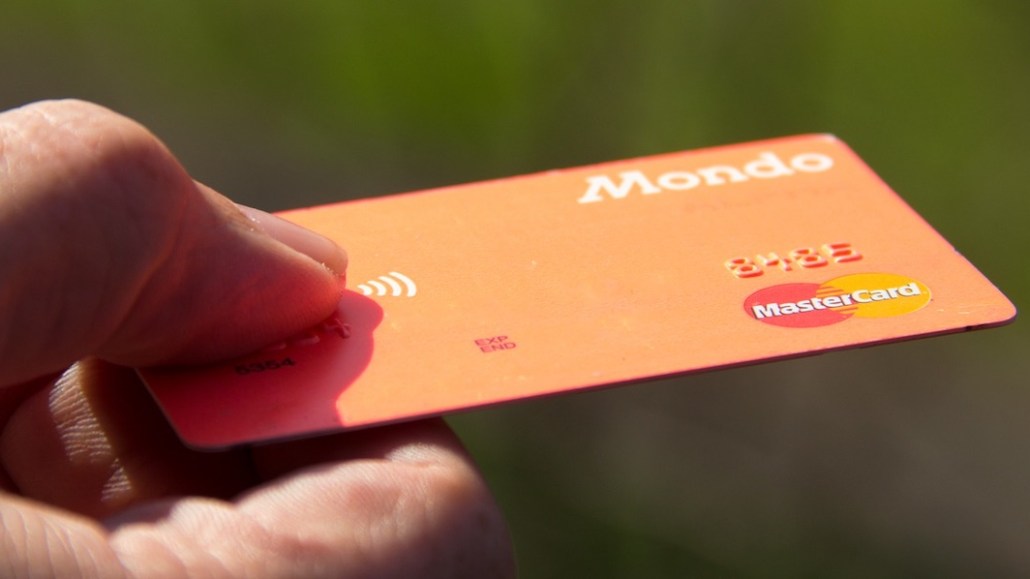
In recent years,”riding the contactless wave” has been a defining slogan for payment modernization, especially in markets like the U.K., Australia and Canada. The convenience of being able to tap a debit or credit card instead of inserting it is thought to make payments faster and easier. In the U.K. alone, over 107 million contactless cards were in use as of March of this year. Australians are so enthusiastic about Visa payWave and Mastercard PayPass that many don’t care about mobile payments, and Canadians’ use of contactless cards doubled between 2014 and 2015.
The U.S. by contrast, has been slow on the uptake of contactless. Contact cards — whether chip or old-fashioned magnetic swipe — still rule the roost. Bankers and analysts say this is due to the sheer volume of card issuers in the U.S. compared to other countries, and lessons learned from pilot projects that just didn’t work.
Read the full story on tearsheet.co
Photo credit: Pixabay / YanForensec


More in Marketing
‘Mission and capital can coexist’: Golden State Valkyries’ Jess Smith on pitch to sponsors
The WNBA’s newest team must navigate measurement demands and marketers wanting to share in the ‘mission’ if it’s to establish a commercial foothold.

Future of Marketing Briefing: Why top creators are taking fewer brand deals
The biggest creators are cutting their brand rosters and asking more of the partners they keep.

‘There’s nothing wrong with being a heritage brand’: How Revlon is updating its image by looking to the past
Revlon named musician and actress Teyana Taylor and country music star Megan Moroney as the faces of its “Revlon Be Unforgettable” campaign.