Join us Dec. 1-3 in Nashville for the Digiday Programmatic Marketing Summit
Twitter launches First View: Autoplay video ads at the top of your feed

Get your earbuds ready: Autoplay video ads on Twitter will soon be unavoidable.
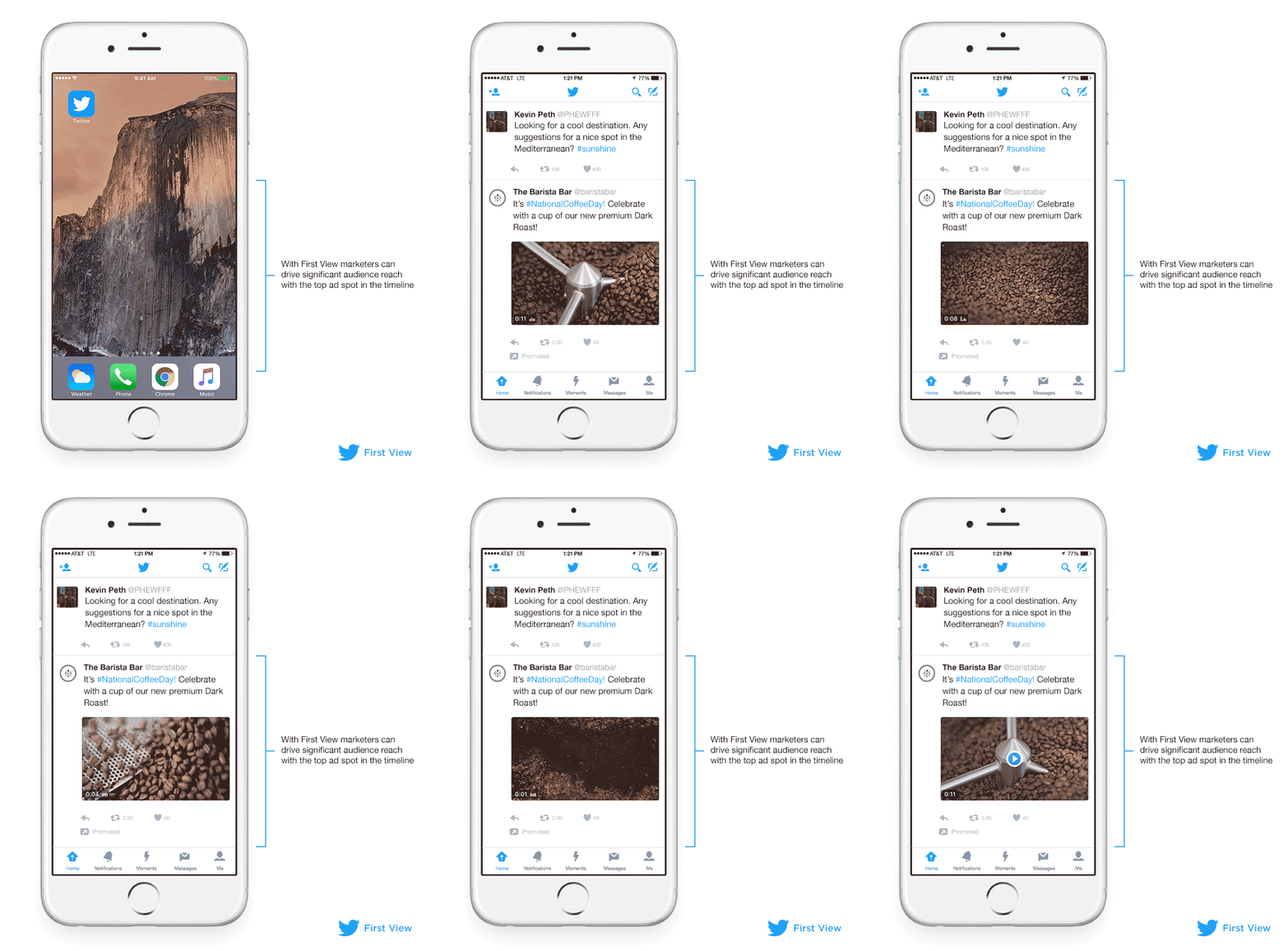
Twitter is rolling out a new ad unit called First View, which is a single video ad that straddles the top of users’ timelines and automatically plays every time the app or website is opened. Brands can buy the slot for a 24-hour period meaning it will become inescapable.
For brands, the ad unit has a significant advantage over buying a Promoted Tweet, which can get lost in the stream, or a pricey Promoted Moment, lives in a separate tab. For Twitter, First View offers brands guaranteed viewability and is another potentially lucrative revenue stream since video is more expensive.
“First View helps marketers achieve significant audience reach with exclusive ownership of Twitter’s most valuable advertising real estate for a 24-hour period,” Twitter said in a statement.
Here’s how it looks like in action:
Twitter said First View will debut first in the U.S. “in the coming months” before expanding globally.
For Twitter, the new ad unit is being debuted a day before fourth quarter and 2015 full-year earnings are revealed. To say the least, it’s been a rocky few months for on Wall Street for Twitter. This morning, the stock hit another record low, trading at $14.60 a share, meaning the company is valued at $9.3 billion, down steeply from its original IPO value of $14.3 billion in November 2013.


More in Marketing
Salesforce’s $5.7 billion Braze deal puts marketers at an ecosystem crossroads
The deal promises faster, more connected marketing, while raising questions about vendor lock-in and how brands stand out as AI automates campaign execution.

AI boosts discovery but reviews still seal the deal, new research shows
ChatGPT is where 16% of shoppers start looking for products. However, only 9% go there to actually buy something.

Future of Marketing Briefing: Advertisers have more ways than ever to choose a holdco, and free holdcos to choose from
Fewer holdcos, more ways to pick one: inside the changing agency pitch.