Join us Oct. 26-28 in Newport Beach for the Digiday Media Buying Summit
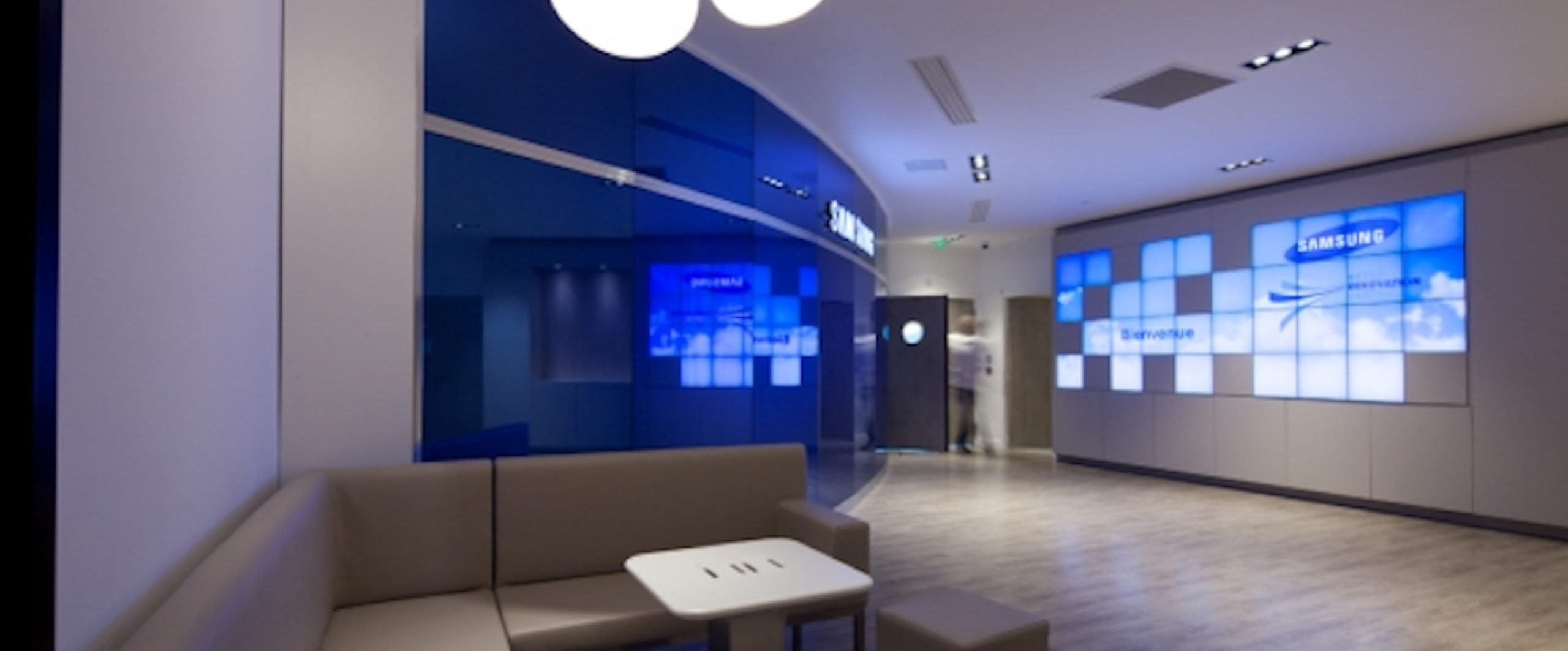
Banks may soon be experimenting with a new way to engage with customers: retail pop-ups.
Samsung’s head of sales for financial services, Reginald Jones, told Tearsheet that the company is in talks with its financial services customers about rolling out retail pop-ups “sooner than in a year.”
Those could be in a variety of formats, he said: a bus promoting a certain bank that drives a number of customers to an NFL game; a university campus presence where banks look to attract customers as they become of banking age; a shopping center that normally just has ATMs where banks could roll up for a weekend service to attract these potential new customers. Samsung, the consumer electronics giant, provides the devices that change how bank employees conduct business — to better influence the customer outcome.
“Pop-ups become interesting when you track your financial customers through their life stages and they start to need more sophisticated planning and products,” Jones said. As young people move up their professional ladder or get married, for example, their financial needs change and beyond basic checking and credit accounts they may also need car loans, home loans or small business loans.
“Millennials are a really attractive customer group for banks because they represent more complicated solutions from the banks, which generally have a higher margin. How do you get in front of them? Maybe one brick-and-mortar isn’t the best way, but you could have a flexible network where you’ve got a flagship brick-and-mortar location, a specialty center and a mobile pop-up center like a roving reporter, moving around as needed,” he added.


More in Marketing

‘Mission and capital can coexist’: Golden State Valkyries’ Jess Smith on pitch to sponsors
The WNBA’s newest team must navigate measurement demands and marketers wanting to share in the ‘mission’ if it’s to establish a commercial foothold.

Future of Marketing Briefing: Why top creators are taking fewer brand deals
The biggest creators are cutting their brand rosters and asking more of the partners they keep.
‘There’s nothing wrong with being a heritage brand’: How Revlon is updating its image by looking to the past
Revlon named musician and actress Teyana Taylor and country music star Megan Moroney as the faces of its “Revlon Be Unforgettable” campaign.