Secure your place at the Digiday Media Buying Summit in Nashville, March 2-4
Goodbye Moto(rola).
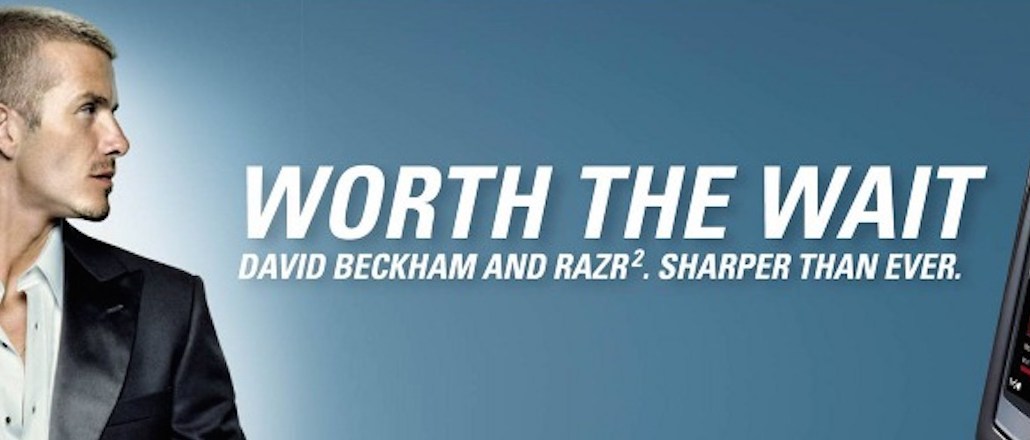
Motorola, the brand responsible for designing the once ubiquitous Razr phone, is heading the way of the Betamax and Nokia later this year. Lenovo, its Chinese parent company that bought it from Google two years ago, said at CES last night that it’s eliminating the well-known name in favor of its own branding.
While the full name will disappear, Lenovo plans to use “Moto by Lenovo” on its expensive models and “Vibe” name on its budget devices, marking an end of an era where Motorola phones were pervasive in people’s hands and everywhere in pop culture.
Motorola invented the first portable phone in 1973 and blossomed into a telecommunications giant, producing the blocky DynaTAC device (i.e. Zack Morris’s phone) and reached its pinnacle during the early 2000s with the sleek Razr.
RIP Motorola. Lenovo is phasing out the mobile phone brand. So we're taking a nostalgic look back at all the mobile goodies Motorola brought us.
Posted by Digiday on Friday, January 8, 2016
But once the iPhone was invented, it was essentially closing time for Motorola.
In 2012, Google bought the mobile side of it, Motorola Mobility, for $12.5 billion. It was mainly a “patent mine,” so the search company could have its ideas as it built up its line of phones for its then-fledgling Android OS. Google later launched its first phone, the color-changing Moto X.
In 2014, Google sold Motorola to Lenovo in a $2.91 billion deal. “We plan to not only protect the Motorola brand, but make it stronger,” Lenovo said at the time. Apparently those plans didn’t work out.


More in Marketing
Thrive Market’s Amina Pasha believes brands that focus on trust will win in an AI-first world
Amina Pasha, CMO at Thrive Market, believes building trust can help brands differentiate themselves.

Despite flight to fame, celeb talent isn’t as sure a bet as CMOs think
Brands are leaning more heavily on celebrity talent in advertising. Marketers see guaranteed wins in working with big names, but there are hidden risks.

With AI backlash building, marketers reconsider their approach
With AI hype giving way to skepticism, advertisers are reassessing how the technology fits into their workflows and brand positioning.