Join us Dec. 1-3 in Nashville for the Digiday Programmatic Marketing Summit
Facebook commerce has gotten off to a rough start, but there are signs that Pinterest can succeed as a social platform that makes registers ring for retailers. Call it P-Commerce.
Some early adopters are using discounts and special offers as a means of driving consumers to pin their products. For example, Land’s End ran a promotion for its Canvas line called, “Pin-it to Win it.” Consumers who created boards with items from the Canvas line were entered to win a $250 gift card.
Another way to drive sales through Pinterest is by creating boards with product pictures that link back to the e-commerce site. Gap is doing just that. It has created boards for its various collections including the DVF Loves GapKids line and the 2012 Spring collection. When consumers click on an image of a product they are taken to the commerce-enabled Web destination.
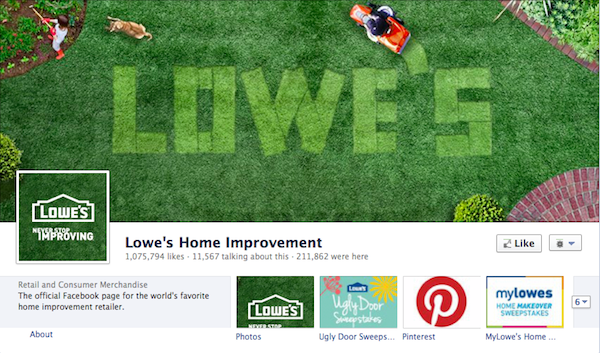
The most obvious way to drive sales via Pinterest is to let people know the brand is there. Home-goods retailer Lowe’s has a custom Pinterest tab on its Facebook page. The retailer’s Pinterest activity gets pulled into the Facebook tab, and its 1 million fans can like and pin content through it. Lowe’s claims it was able to grow its Pinterest following 32 percent by pushing it through Facebook.
With Pinterest, people are following one another regardless of whether they know each other. Like-minded groups are formed based on interests and what is going on in these people’s lives at the time (women planning their weddings, a child’s birthday party, a weekend dinner at home with friends).
This fact alone could mean that Pinterest may have a better chance at driving sales than Facebook. Because the chances for people to influence each other’s purchase intent on Pinterest are higher than on Facebook. Just because we are friends on Facebook doesn’t mean that we are both interested in wedding dresses.
According to Hitwise, Pinterest cracked the top 30 U.S. websites in February in terms of page views, amassing 103 million visitors from Jan. 12 to Feb. 12. With its meteoric growth and recently reported $1 billion valuation, it’s clear that brands need to find ways of using Pinterest to drive sales.
“As great as Pinterest looks, the beauty of this platform lies in its back-end affiliate marketing capability – this is key for any brand or marketer looking to drive traffic and sales through Pinterest,” Villamor said.


More in Marketing
AI boosts discovery but reviews still seal the deal, new research shows
ChatGPT is where 16% of shoppers start looking for products. However, only 9% go there to actually buy something.

Future of Marketing Briefing: Advertisers have more ways than ever to choose a holdco, and free holdcos to choose from
Fewer holdcos, more ways to pick one: inside the changing agency pitch.
Walmart Connect pitches brands directly as it pushes lift studies ahead of holiday ad deals
Walmart Connect is using lift studies to prove ad performance directly to brands ahead of the holidays, signaling a tighter race with Amazon.