Reed Hastings’ ‘BoJack Horseman’ sweater upstages Netflix’s earnings call
Talk about a statement sweater.
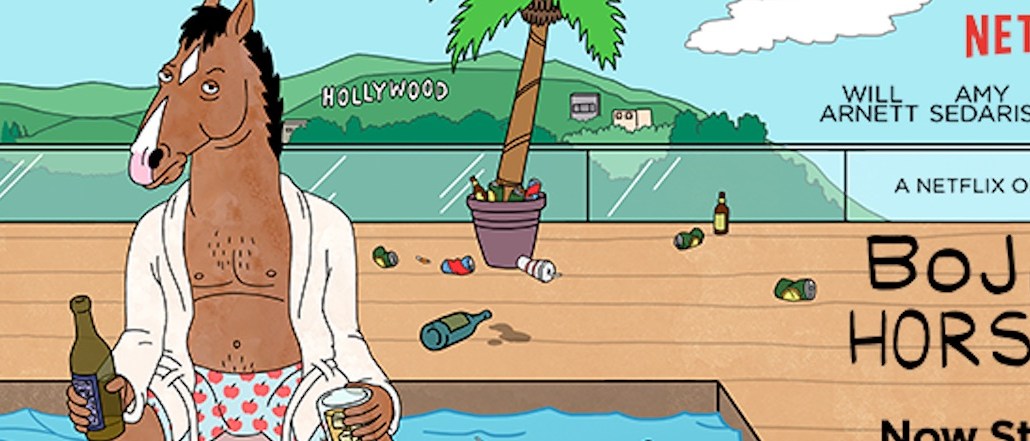
During yesterday’s earnings call, Netflix CEO Reed Hastings didn’t wear the usual executive uniform of a suit and tie. Instead, he donned an ugly Christmas sweater adorned with “BoJack Horseman,” a quirky animated comedy that returns for a second season Friday.
And, obviously, that’s what piqued people’s interest in the livestreamed call. Why would he wear a sweater during the middle of July? Why is he promoting that show, instead one of its marquee titles like “Orange Is the New Black?” And where do you even buy something like that?
“The most important thing about this call is to let you know that Friday, “BoJack Horseman” season two launches on Friday,” he said during the call, likely knowing that it would ignite bewildered reaction. “So we hope everyone will have a great binge weekend on one of the most incredible shows.”
Nonetheless, Twitter was enamored with it:
CEO of @netflix #Reed Hastings knows how to wear a sweater. Good for @BoJackHorseman pic.twitter.com/wQ39z2MGre
— Michael Eisner (@Michael_Eisner) July 15, 2015
Reed is a total badass for wearing this sweater today. I wish I had it. pic.twitter.com/8eufHitgmt
— Margarita Noriega (@margarita) July 16, 2015
I hear Reed Hastings experimented with some other looks before choosing the BoJack Horseman sweater. pic.twitter.com/V7kExR43m7
— Dave Itzkoff (@ditzkoff) July 15, 2015
Reed Hastings, earnings call innovator, fashion icon: https://t.co/pfCIQgiyQ8 #menswear $NFLX pic.twitter.com/PYFSdBMkf9
— Dan Frommer (@fromedome) July 15, 2015
Current mood: Bojack Horseman’s sweater
— ACTUAL POLAR BEAR (@Lamarthefrog) January 28, 2015
At some point, can we discuss Reed Hasting’s sweater? #Netflix pic.twitter.com/CDcvPhHPnw
— Yvonne Villarreal (@villarrealy) July 15, 2015
Data obtained by Digiday from Brandwatch shows that his sweater garnered 1,000 mentions on Twitter, with 96 percent of them being positive. “When looking at the negative mentions, most people use the word ‘ridiculous’ to describe the sweater, but that’s more than likely what Hastings was aiming for,” said analyst Kellan Terry.
The bizarre sweater was arresting enough for websites to dedicate a separate post to it, including Mashable, Business Insider, Quartz, Wired and The Verge. Mashable dubbed him the “cool boss,” Quartz said it was “awesome,” and BI called it “amazing,” a commonly relied on headline adjective for them.
The sweater, which is a nod to the ugly sweaters BoJack wears in the series, was sent out to fans last year. If you’re feeling sweater envy, one of them is on sale for $254 on eBay — or about three and a half shares of Netflix stock, which is up 12 percent in trading today to $110. Thanks, sweater?


More in Marketing

In Graphic Detail: LLMs keep citing YouTube in search results
The videos getting cited reveal how different AI search can be from traditional Google search.

Marketers have bought into microdramas — but a lack of ROI might make them irrelevant
Microdramas are attracting brand dollars and audiences. The harder question is whether the format can translate that attention into meas.

Some marketers see ‘no ceiling’ for beauty brands advertising in sports
By now, many in the beauty space have wised up to just how powerful a tool athletes and sports are for their brands.