Join us Dec. 1-3 in Nashville for the Digiday Programmatic Marketing Summit
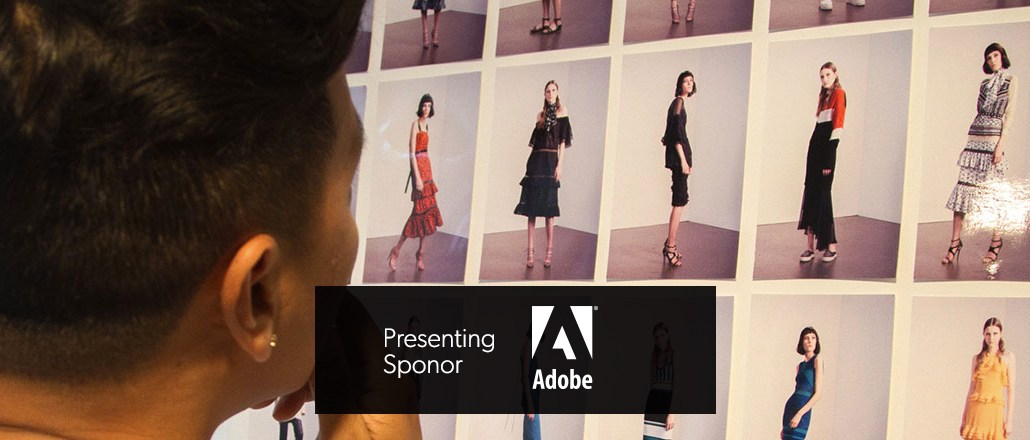
To promote its recent collaboration with Gigi Hadid this September, Tommy Hilfiger launched a cheeky fashion chatbot on Facebook Messenger, which customers could interact with in order to look at items from the collection and learn pre-programmed fun facts about Hadid. For the Tommy brand, the tool checked a few boxes: It milked more use of the brand’s most recent fashion show (one of the industry’s most expensive marketing tools to execute), sent customers to online stores, and demonstrated that Tommy Hilfiger wasn’t afraid of testing out new technology, which scored it free press coverage.
Indeed, the brand was lauded for its forward-thinking creativity and for being among the first to launch such a bot. But when it came to conversion, the brand declined to share any proof that the bot actually drove any.
To read the rest of this story, please visit Glossy.


More in Marketing
In Graphic Detail: What Apple’s identity block means for the ad money
How Apple’s identity block hits publishers’ wallets, and why Apple can afford it.
Anthropic’s ad bill is soaring, according to IPO filing
Anthropic’s IPO filing shows an ad-free AI company with a fast-growing ad bill.

Salesforce’s $5.7 billion Braze deal puts marketers at an ecosystem crossroads
The deal promises faster, more connected marketing, while raising questions about vendor lock-in and how brands stand out as AI automates campaign execution.