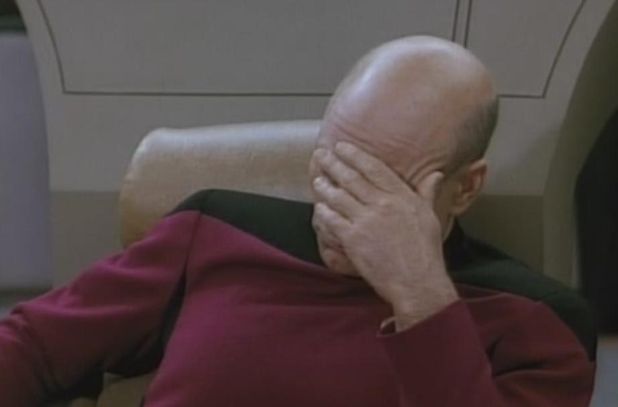
US Airways has surprised many by deciding not to fire the social media manager responsible for the infamous pornographic tweet sent on Monday.
On one hand, mistakes happen, especially when you’re scrambling to respond to a bevy of tweets from angry customers. If brands were to fire their social media managers every time they tweeted a typo or incorrect link or photo, the unemployment rate for millennials would be even higher than it is today. And, if US Airways ascribes to the “any press is good press” axiom, then it had a wildly successful Monday.
Why that @USAirways employee wasn’t fired, in one chart pic.twitter.com/5gcP74wL5P
— Neetzan Zimmerman (@neetzan) April 15, 2014
On the other hand, accidentally tweeting a closeup of a naked woman using a toy plane as a sex toy isn’t exactly an everyday error. And US Airways has come up with a pretty fishy explanation of how the tweet happened. According to its version of events, the porno pic was tweeted as the social media employee was sent “in an attempt to flag the tweet as inappropriate.” This doesn’t make a lot of sense to most people familiar with how Twitter works.
I’m super confused about the us airways explanation of what happened yesterday.
— Alejandra Owens (@frijolita) April 15, 2014
US Airways certainly seems chastened by the experience. It hasn’t tweeted at all since yesterday afternoon, directly after apologizing for its unfortunate tweet.
We decided this debate would be best settled by the social media marketing community itself. Please cast your vote below. The future of social media employment best practices depends on it.
[polldaddy poll=7972027]


More in Marketing

Coca-Cola’s AI-powered José Mourinho campaign could signal a shift in celebrity partnerships
Instead of featuring José Mourinho, the incoming manager of the Real Madrid soccer team, the series will be hosted by Mourinho’s AI clone.
Nest New York brings its fragrance-layering strategy to the U.K.
The fragrance brand is expanding its U.K. presence through e-tailer Cult Beauty, department stores Harrods and Selfridges, and specialty retailer John Bell & Croyden.
Future of Marketing Briefing: How agencies are betting on entertainment to survive
Some agencies are done making ads. Now they want to make hits.