Join us Dec. 1-3 in Nashville for the Digiday Programmatic Marketing Summit
No condom, but the emoji overlords give us arm-taking selfie, avocado and pancakes emojis
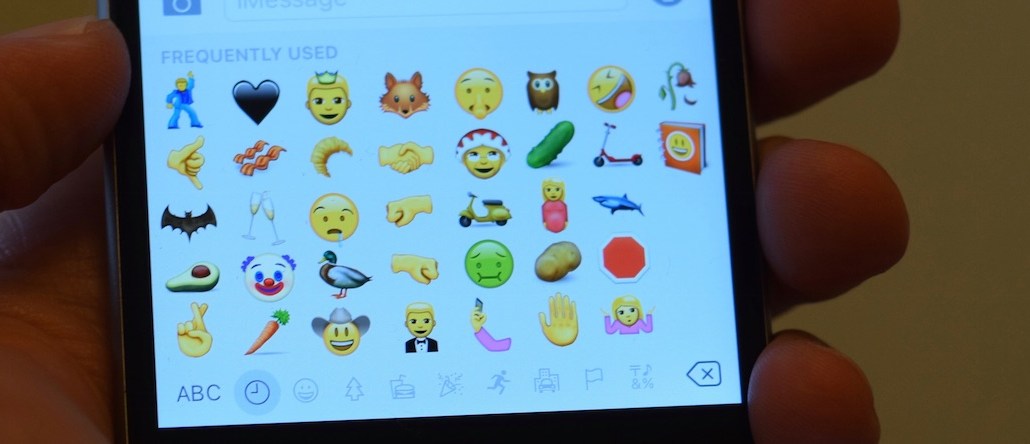
Nothing represents the zeitgeist more than a newly approved selfie emoji.

Unicode Consortium released 77 new emojis yesterday, including the highly anticipated avocado emoji, two strips of bacon, a (very topical) gorilla and an arm taking a selfie. Also included a handshake, pancakes, a green salad and a drooling face.
However, the new emojis doesn’t include a condom, as Durex petitioned for in an effort to promote safe sex, or 13 “true-to-life representations of professional women” emojis that Google proposed.
The new emoji package, called Unicode 9.0, is a culmination of a week-long meeting among members of the non-profit organization that ensures emoji consistency among phone operating systems. Perhaps not coincidentally, Facebook Messenger also today released 1,500 new emojis for Messenger, which doesn’t abide by Unicode Consortium rules since it is its own chat app.

“There’s a huge opportunity for brands that have direct ties to specific emoji or those that can contain multiple meanings,” said Travis Montaque, a Unicode Consortium member and Emogi CEO. For example, IHOP and the new pancake emoji and Planter’s with the new peanuts emoji.
Developers can begin using them this month, but normal people won’t see them until mid-2017 because of Apple’s and Android’s lengthy design process.
Banner photo via Emojipedia.


More in Marketing

In Graphic Detail: What Apple’s identity block means for the ad money
How Apple’s identity block hits publishers’ wallets, and why Apple can afford it.

Anthropic’s ad bill is soaring, according to IPO filing
Anthropic’s IPO filing shows an ad-free AI company with a fast-growing ad bill.
Salesforce’s $5.7 billion Braze deal puts marketers at an ecosystem crossroads
The deal promises faster, more connected marketing, while raising questions about vendor lock-in and how brands stand out as AI automates campaign execution.