Prices rise for the Digiday Programmatic Marketing Summit after Mar. 24
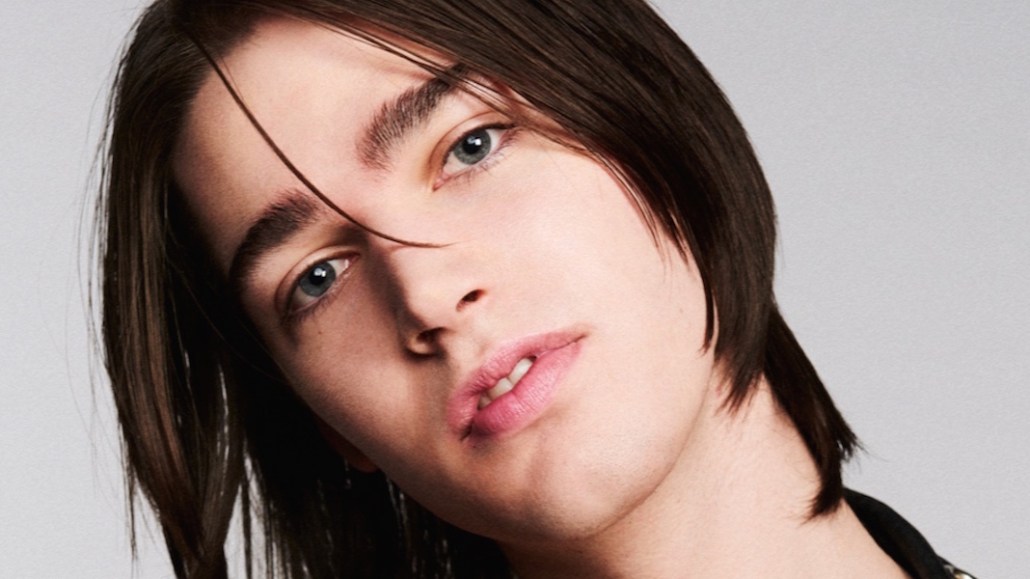
“Boy beauty,” as it has been represented so far by mass-market brands like CoverGirl and Maybelline, is a well-intentioned step toward democratizing the use of makeup. But it can actually end up feeling limiting.
“It’s a positive thing, but I just worry people think there’s only one way men can wear makeup,” said Georgie Greville, creative director at Milk Makeup. “So we take many different approaches. There are no rules, and that’s been defining for us.”
Greville pointed to the look and ideal that male beauty influencers James Charles and Manny Gutierrez, tapped by CoverGirl and Maybelline, respectively, have promoted. They’ve achieved social media star status by proving they can be just as good at makeup — and usually, even better — as the girls, using products made with women in mind. The result: sharply angled eyebrows, perfectly lined lips and a highly contoured finish.
Milk Makeup, the product line released by creative agency Milk Studios last spring, wants to offer more accessible options for men who are interested in makeup.


More in Marketing

TikTok courts CMOs with first-ever Collective, as it targets bigger budgets
In its first CMO-focused event in the U.K. TikTok showcased how easy it is for brands to create content. The event is only part of the platform’s sharper 2026 commercial strategy: targeting larger, long-term ad budgets, courting independent agencies, and positioning itself as a serious competitor to Meta in 2026.
Amid competition for sponsors, top sports clubs are investing in social media operations
Sponsors used to want hospitality access and pitch-side banners. Now they want access to a club’s social following.
Rising gas prices could be the straw that breaks consumer spending
The rising fuel costs have experts predicting a rapid ripple effect on the U.S. retail industry.