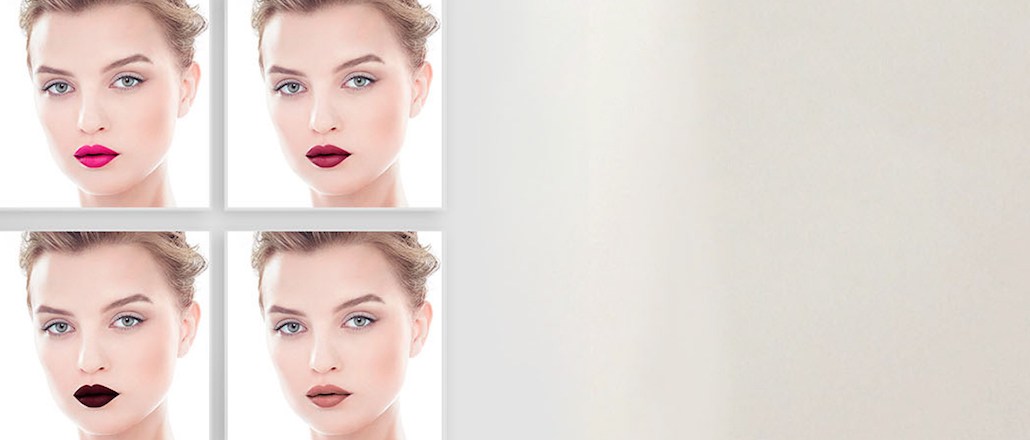
With L’Oréal’s Makeup Genius app, curious drugstore beauty customers can try a bold smoky eye without making a purchase. Through Urban Decay’s Vice Lipstick app, the more adventurous can try on lipstick shades in Jawbreaker (a bright purple), Heroine (a dark blue) and Trick (a metallic gold) before buying. Anyone contemplating a new hair color can download Conair’s Virtual Hairstyle Makeover app to test out shades before hitting the dye bottle. This app’s hairstyle feature can also answer the persistent question, “should I get bangs?”
Augmented reality has infiltrated beauty, with individual brands like L’Oréal and Covergirl and retailers like Sephora and Ulta releasing apps that lay products over faces of customers willing to download and try them out. And while each app claims a unique approach, 46 of these hair, beauty and skincare brands have one thing in common: Their augmented reality experiences are powered by technology company Modiface.
To read the rest of this story, please visit Glossy.


More in Marketing
‘There’s nothing wrong with being a heritage brand’: How Revlon is updating its image by looking to the past
Revlon named musician and actress Teyana Taylor and country music star Megan Moroney as the faces of its “Revlon Be Unforgettable” campaign.
Inside agency OK Future’s AI ‘pressure cooker’ experiment with Goodwipes
OK Future cut Goodwipes’ AI spoof from six weeks to four days, exposing big savings and burnout risks.
From influencers to AI, here’s what Gen Alpha thinks about your brand
The Gen Alpha cohort now influences nearly half of total U.S. household spending in families with children ages 8-14.