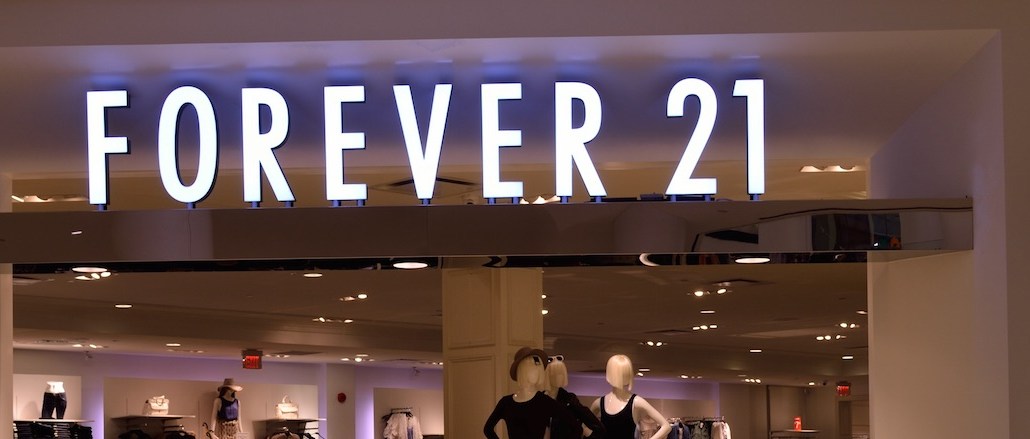

Forever 21 has once again ignited outrage on the internet because of its questionable T-shirt designs.
Some people online are slamming the fast fashion brand for its line young boy graphic T-shirts that are perpetuating native gender stereotypes for phrases like “Ladies Man,” “Chicks Are All Over Me,” and “Sorry Ladies, I Only Date Models.”
The shirts, which sold for $11, stirred up a wave of negative reaction partly sparked by a Yahoo Style piece from yesterday that discovered the shirts. The writer asked the opinion of parenting author Christia Spears Brown calling the clothes “completely inappropriate for companies to sell those shirts to young boys.”
That followed a few responses on Twitter also slamming the shirts:
EW to the @Forever21 little boys shirt that says “Sorry ladies, I only date models.” SERIOUSLY EW. I’ve never stopped shopping faster.
— ashlie elizabeth (@mygirlsimple) June 26, 2016
Glad they pulled these shirts. They teach our children to objectify women and girls. #NotBuyingIt @Forever21. https://t.co/JYggflMWHg
— Jen Siebel Newsom (@JenSiebelNewsom) July 13, 2016
Any guy that would wear this shirt, couldn’t get a date with a model air plane. let alone a super model. https://t.co/osC7nl8Wez
— Roman DaSilva (@Foxmental_X) July 13, 2016
Forever 21 yanked the shirts from its websites last night, issuing this statement: “With regards to the t-shirts in question, after receiving feedback we have taken immediate action to have them removed from our website. We sincerely apologize to anyone who was offended by the products.”
The company regularly runs afoul of shoppers over its problematic clothing. In March, it apologized for selling a shirt that some said joked about rape then again in late June for selling a line of clothing that closely resembled Kanye West’s Life of Pablo clothing line.


More in Marketing

In Graphic Detail: LLMs keep citing YouTube in search results
The videos getting cited reveal how different AI search can be from traditional Google search.

Marketers have bought into microdramas — but a lack of ROI might make them irrelevant
Microdramas are attracting brand dollars and audiences. The harder question is whether the format can translate that attention into meas.

Some marketers see ‘no ceiling’ for beauty brands advertising in sports
By now, many in the beauty space have wised up to just how powerful a tool athletes and sports are for their brands.