
Cinemagraphs are glossy photos with subtle, isolated sections of movement that have been described as amped-up versions of GIFs. They’ve quickly become ubiquitous on social media in 2015.
Facebook with its autoplay feature, Instagram with its looping videos and Pinterest with its branded cinematic pins, all introduced formats that are optimal for cinemagraphs. And brands including Heineken and retailer St. John began testing out the mesmerizing format that’s a bit more subtle than spasmodic GIFs.
“Cinemagraphs are a great canvas for a variety of brands to experiment with,” said Raashi Bhalla of Pinterest’s brand strategy team. “On Pinterest, we have found that while an individual pin represents an idea, with the cinematic feature, you are able to more clearly tell the story of that idea.”
Expect more brands to experiment with them in 2016, said Apu Gupta, CEO of Curalate, a visual marketing company, as they’re a way for brands to demonstrate their creativity.
Here’s how five brands have tested cinemagraphs in compelling ways:
Heineken
Heineken began using cinemagraphs in early 2015 and was one of the first brands to use them on Instagram, according to senior media director Ron Amram. The brand used them for a holiday campaign on both Facebook and Instagram, showcasing Heineken bottles with snowflakes falling in the background.
“They work especially on social networks that appeal to the artistic side, like Instagram,” said Amram. “But you also need to factor it into the story — use it for the art or story and not as a gadget.”
Stuart Weitzman

The fashion brand used cinemagraphs as part of an integrated campaign last August. It bought video ads on Instagram, then sent product posts on Facebook to people who viewed them on Instagram. The brand used Jamie Beck and Kevin Burg of Ann Street Studio, the husband-and-wife team that pioneered cinemagraphs, to create cinemagraphs that highlighted its products.
Dreyer’s
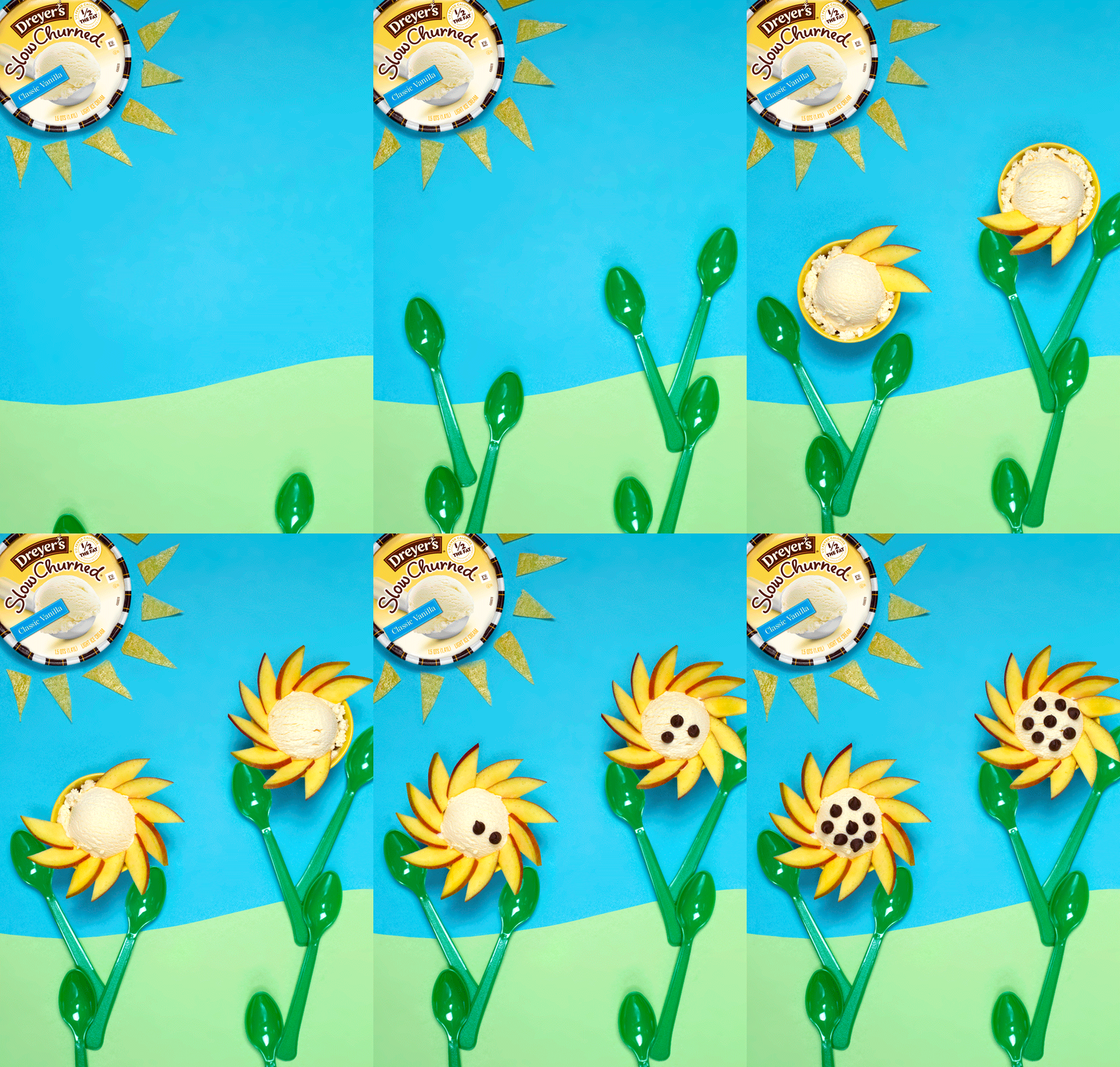
Nestlé’s ice cream and frozen yogurt brand used Pinterest’s cinematic pins to unveil its new range of frozen custards. The animation came to life when mobile users scrolled through their screens on Pinterest. Target, too, has used cinematic pins on Pinterest.
“They worked because they’re magical, and not disruptive,” said Bhalla. “It’s a richer way of showcasing your brand message and benefits.”
Toyota
The automaker used Instagram’s “Weekend Hashtag Project,” a weekly competition that asks photographers to take pictures tied to specific themes. Last summer, the topic was to shoot moving video with a still camera. Toyota jumped on the opportunity, placing an SUV in the woods next to a mountain biker, who left behind a trail of dust that was still moving.
Coca-Cola
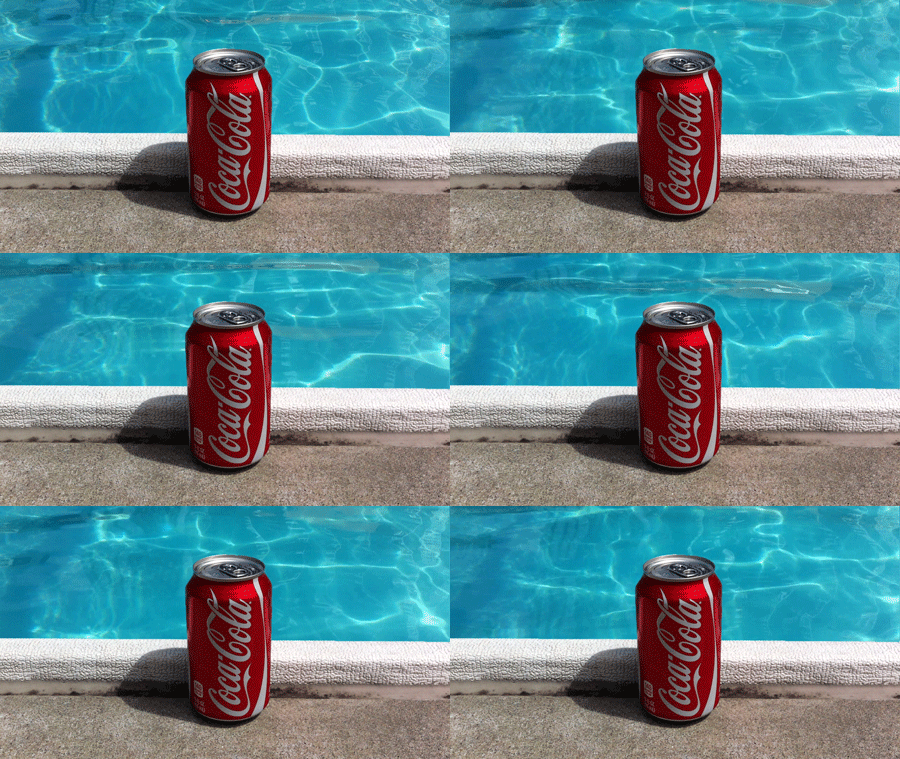
Coca-Cola was one of the first brands to dabble in cinemagraphs, producing this one in August 2012. It got more than 80,000 “notes” on Tumblr in the first two weeks. By limiting the movement to the water in the background, the red Coke can pops out against the contrasting blue backdrop.


More in Marketing
Apple finally explains its Safari block, and identity companies are in its sights
As Apple spells out its case for blocking identity companies in Safari, its job board shows an ads business with big plans.

Ad Tech Briefing: Can flipping the ad auction wrest control of ad tech from Google?
Prebid wants to change one of the key fundamentals of ad tech.

Target bets on buzzy TikTok brands like Mellow Sleep to revamp its home category
This fall, there’s been a steady drumbeat of new brands launching in the big-box retailer’s home category.