Join us Dec. 1-3 in Nashville for the Digiday Programmatic Marketing Summit
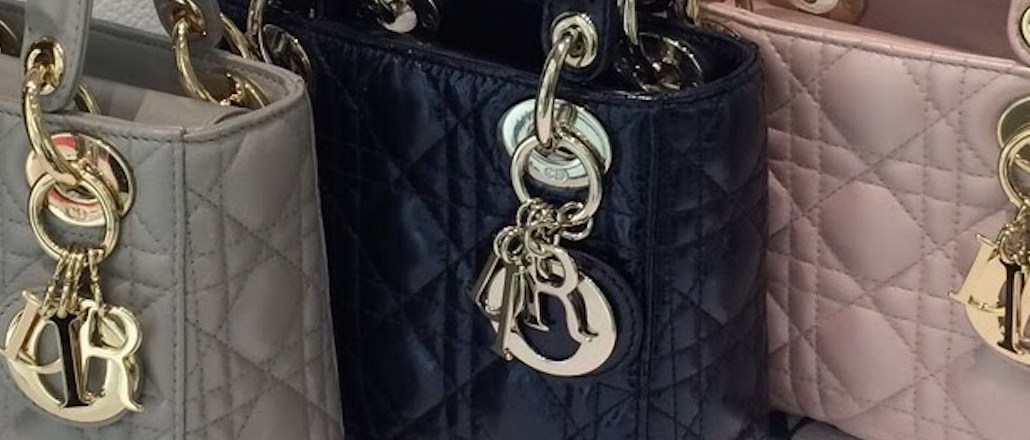
Dior, a typically e-commerce-shy luxury brand, took a digital step forward by selling handbags directly to consumers on WeChat.
Last week, a limited number of the Lady Dior bag went on sale on WeChat, with the only announcement leading up to the release coming the day before in the form of a teaser on the company’s public WeChat account. The message told followers to return the next day for a “surprise,” accompanied by photos of the bags. It sold out within the day, each selling for 28,000 yuan ($4,210). Payments for the bag were accepted through WeChat’s payment system as well as Alibaba’s Alipay tool.
To read the rest of this story, please visit Glossy.


More in Marketing

Salesforce’s $5.7 billion Braze deal puts marketers at an ecosystem crossroads
The deal promises faster, more connected marketing, while raising questions about vendor lock-in and how brands stand out as AI automates campaign execution.

AI boosts discovery but reviews still seal the deal, new research shows
ChatGPT is where 16% of shoppers start looking for products. However, only 9% go there to actually buy something.

Future of Marketing Briefing: Advertisers have more ways than ever to choose a holdco, and free holdcos to choose from
Fewer holdcos, more ways to pick one: inside the changing agency pitch.