Join us Dec. 1-3 in Nashville for the Digiday Programmatic Marketing Summit
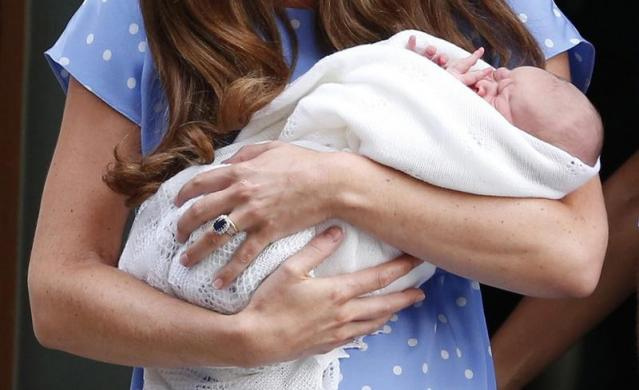
Today Prince George Alexander Louis of Cambridge was welcomed into the Church of England in what has been publicized as a low-key, intimate christening ceremony. Guests at this mellow affair included Queen Elizabeth II and a bevy of archbishops and dukes and duchesses.
And, of course, a handful of gate-crashing brands. The social media world has been buzzing predictably about the royal event, which means companies also couldn’t resist piling on in real time.
A few examples of brands that invited themselves to the royal christening conversation:
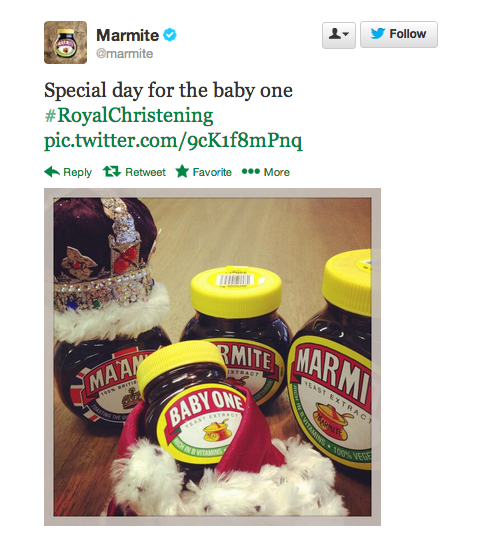
OK, this is one step up from using a stock Marmite jar photo and photoshopping a crown on it. We will let this one slide, since you apparently actually have a limited-edition baby-sized jar. You still have no excuse for being a barely edible yeast-extract food paste, though.
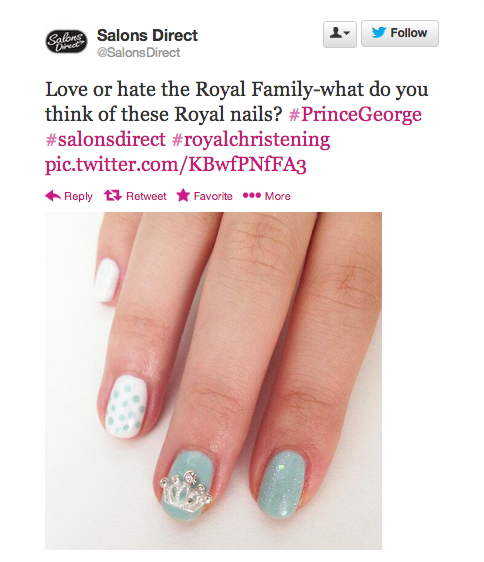
The old trending hashtag bait and switch. Oh you all are talking about the #royalchristening? Well, who cares about the royals — check out these bedazzled nails! Hope you don’t chip them while tweeting.
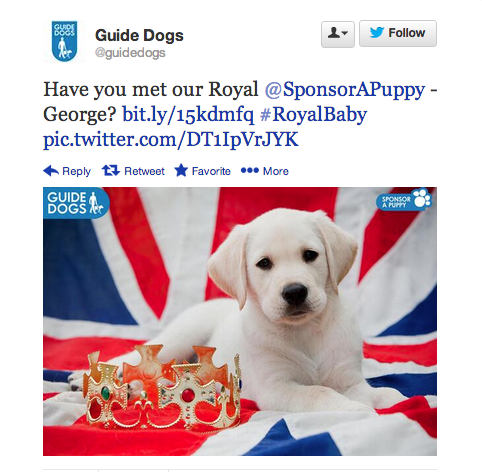
Playing the cute animal card. We don’t blame you, Guide Dogs UK. Cute puppy > some royal baby.
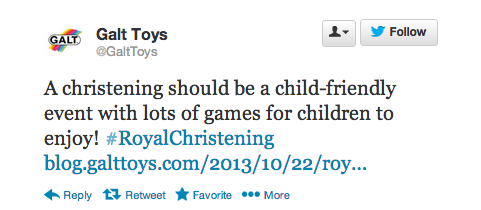
Thanks for that pro tip! In case you were thinking of bringing knives or anything with sharp edges to a baby christening, think again.
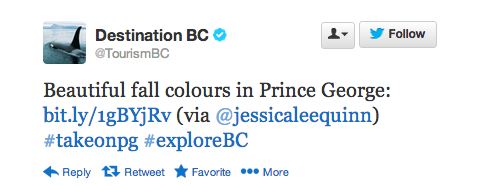
This isn’t an example of butting in, but a missed opportunity. Come on British Columbia! You have a city called Prince George. How could you not jump in with some kind of royal baby reference?
Image via Flickr/Carmen Rodriguez


More in Marketing

Ruggable’s new ad spend strategy shifts focus to ShopMy creators
Ruggable is shaking up its marketing stack, pulling dollars our of Meta and into ShopMy creators ahead of a potential IPO.

Future of Marketing Briefing: The holdcos long, awkward courtship of the C-suite
What holdcos risk when they go over the CMO’s head.

Brands turn to content series and Jimi Hendrix to improve AI search performance
Guitar brand Fender and amp-maker Marshall both recently launched content series aimed, in part, at improving their visibility in AI search answers. It’s part of a greater pattern.