Join us Dec. 1-3 in Nashville for the Digiday Programmatic Marketing Summit
Uruguay’s beloved/villainous forward Luis Suarez is no stranger to biting controversies on the soccer field. Today’s Italy vs. Uruguay game was no exception. The Uruguay star landed himself in yet another hot mess by apparently biting an Italian defender in the second half of the game. Naturally, brands were quick to join the feast, using this as an unmissable real-time advertising opportunity. Here are five that stood out.
McDonald’s Uruguay was the first in line, playing it safe by urging him to take a bite of a Big Mac.
Hola @luis16suarez, si te quedaste con hambre vení a darle un mordisco a una BigMac ;)
— McDonald’s Uruguay (@McDonalds_Uy) June 24, 2014
Trident was next, keeping the message short and sweet.
Chew Trident. Not soccer players. #ITAvsURU
— Trident Gum (@tridentgum) June 24, 2014
TGI Friday’s then stated the obvious.
I think it’s safe to say Uruguay was hungry for the win.
— TGI Fridays (@TGIFridays) June 24, 2014
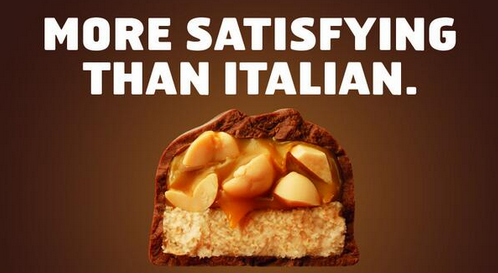
Snickers jumped on the bandwagon too.
Hey @luis16suarez. Next time you’re hungry just grab a Snickers. #worldcup #luissuarez #EatASNICKERS pic.twitter.com/3RAO537HjW
— SNICKERS® (@SNICKERS) June 24, 2014
And, since social media is still about ROI, Domino’s U.K. promoted today’s special.
Maybe somebody should have told @luis16suarez it’s #TwoForTuesday, he could have pizza for dinner instead! #biting
— Domino’s Pizza UK (@Dominos_UK) June 24, 2014


More in Marketing
In Graphic Detail: What Apple’s identity block means for the ad money
How Apple’s identity block hits publishers’ wallets, and why Apple can afford it.
Anthropic’s ad bill is soaring, according to IPO filing
Anthropic’s IPO filing shows an ad-free AI company with a fast-growing ad bill.
Salesforce’s $5.7 billion Braze deal puts marketers at an ecosystem crossroads
The deal promises faster, more connected marketing, while raising questions about vendor lock-in and how brands stand out as AI automates campaign execution.