Join us Dec. 1-3 in Nashville for the Digiday Programmatic Marketing Summit
Crowdsourcing is an attractive tactic for brands. It at once ticks the “engagement” and “cheap content” boxes. Where it starts to get interesting is when the crowd is brought into the product decision process.
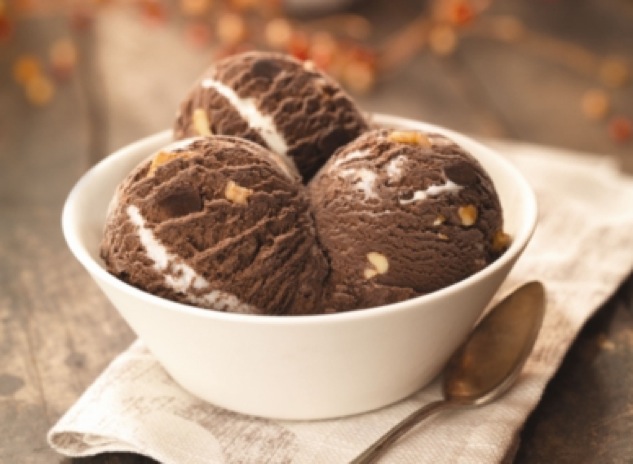
Ice cream brand Baskin Robbins is doing just that. It is asking people to create their own original ice cream flavors using Baskin-Robbins’ virtual flavor creator. Judges will narrow it down to the 10 best flavors and then voting will open to the public. The flavor to get the most votes will be sold in Baskin-Robbins shops nationwide in 2013.
Other brands have relied on crowdsourcing for new products as well. Take Vitamin Water, which asked its Facebook fans to create new flavors. Pampers also had consumers create different ideas for packaging its diapers, to make them more comfortable to carry. And sportswear brand Adidas had people design a pair of sunglasses for its Original line.
Using the flavor creator, people are first asked to choose their base flavor from popular flavors like vanilla, chocolate and strawberry, to name a few. Next they choose ribbons, such as caramel, dark fudge and black raspberry. Lastly, the user can choose mix-ins such as cookie dough, Oreo, fudge brownie pieces and more. Then, they name the flavor and enter it into the contest.
Baskin Robbins competitors have yet to tap the crowd for flavor ideas. Ben & Jerry’s for example, does allow people to submit their own ideas for flavors, but it hasn’t had a whole program committed to it. Additonally, Haagen-Dazs allows people to customize their own deserts for purchase on its online shop, but it hasn’t asked people to create their own flavor ideas.


More in Marketing
In Graphic Detail: What Apple’s identity block means for the ad money
How Apple’s identity block hits publishers’ wallets, and why Apple can afford it.
Anthropic’s ad bill is soaring, according to IPO filing
Anthropic’s IPO filing shows an ad-free AI company with a fast-growing ad bill.
Salesforce’s $5.7 billion Braze deal puts marketers at an ecosystem crossroads
The deal promises faster, more connected marketing, while raising questions about vendor lock-in and how brands stand out as AI automates campaign execution.